🗊 Презентация Week 3. Training Subject Teachers in CLIL

Категория: Образование
Нажмите для полного просмотра!
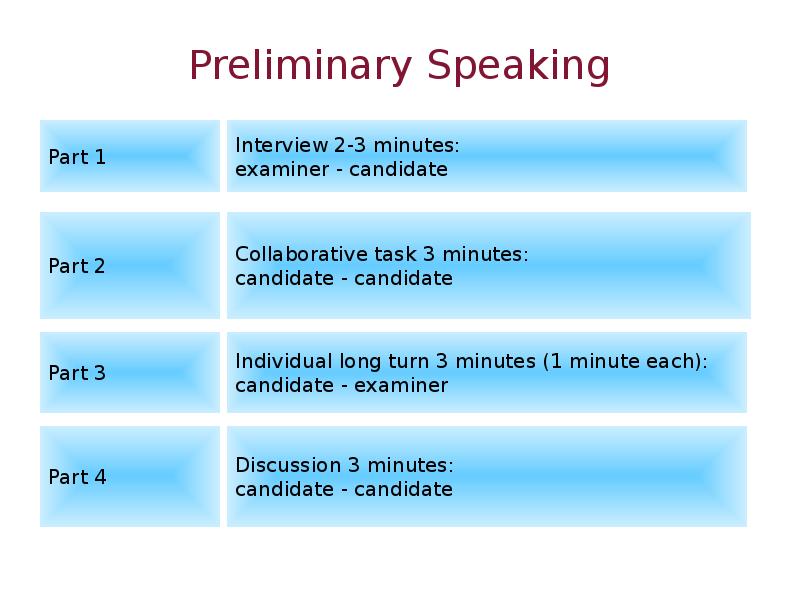
Week 3. Training Subject Teachers in CLIL, слайд №1 Week 3. Training Subject Teachers in CLIL, слайд №2 Week 3. Training Subject Teachers in CLIL, слайд №3 Week 3. Training Subject Teachers in CLIL, слайд №4 Week 3. Training Subject Teachers in CLIL, слайд №5 Week 3. Training Subject Teachers in CLIL, слайд №6 Week 3. Training Subject Teachers in CLIL, слайд №7 Week 3. Training Subject Teachers in CLIL, слайд №8 Week 3. Training Subject Teachers in CLIL, слайд №9 Week 3. Training Subject Teachers in CLIL, слайд №10 Week 3. Training Subject Teachers in CLIL, слайд №11 Week 3. Training Subject Teachers in CLIL, слайд №12 Week 3. Training Subject Teachers in CLIL, слайд №13 Week 3. Training Subject Teachers in CLIL, слайд №14 Week 3. Training Subject Teachers in CLIL, слайд №15 Week 3. Training Subject Teachers in CLIL, слайд №16 Week 3. Training Subject Teachers in CLIL, слайд №17 Week 3. Training Subject Teachers in CLIL, слайд №18 Week 3. Training Subject Teachers in CLIL, слайд №19 Week 3. Training Subject Teachers in CLIL, слайд №20 Week 3. Training Subject Teachers in CLIL, слайд №21 Week 3. Training Subject Teachers in CLIL, слайд №22 Week 3. Training Subject Teachers in CLIL, слайд №23 Week 3. Training Subject Teachers in CLIL, слайд №24 Week 3. Training Subject Teachers in CLIL, слайд №25 Week 3. Training Subject Teachers in CLIL, слайд №26 Week 3. Training Subject Teachers in CLIL, слайд №27 Week 3. Training Subject Teachers in CLIL, слайд №28 Week 3. Training Subject Teachers in CLIL, слайд №29 Week 3. Training Subject Teachers in CLIL, слайд №30 Week 3. Training Subject Teachers in CLIL, слайд №31 Week 3. Training Subject Teachers in CLIL, слайд №32 Week 3. Training Subject Teachers in CLIL, слайд №33 Week 3. Training Subject Teachers in CLIL, слайд №34 Week 3. Training Subject Teachers in CLIL, слайд №35 Week 3. Training Subject Teachers in CLIL, слайд №36 Week 3. Training Subject Teachers in CLIL, слайд №37 Week 3. Training Subject Teachers in CLIL, слайд №38 Week 3. Training Subject Teachers in CLIL, слайд №39 Week 3. Training Subject Teachers in CLIL, слайд №40 Week 3. Training Subject Teachers in CLIL, слайд №41 Week 3. Training Subject Teachers in CLIL, слайд №42 Week 3. Training Subject Teachers in CLIL, слайд №43 Week 3. Training Subject Teachers in CLIL, слайд №44 Week 3. Training Subject Teachers in CLIL, слайд №45 Week 3. Training Subject Teachers in CLIL, слайд №46 Week 3. Training Subject Teachers in CLIL, слайд №47 Week 3. Training Subject Teachers in CLIL, слайд №48 Week 3. Training Subject Teachers in CLIL, слайд №49 Week 3. Training Subject Teachers in CLIL, слайд №50 Week 3. Training Subject Teachers in CLIL, слайд №51 Week 3. Training Subject Teachers in CLIL, слайд №52 Week 3. Training Subject Teachers in CLIL, слайд №53 Week 3. Training Subject Teachers in CLIL, слайд №54 Week 3. Training Subject Teachers in CLIL, слайд №55 Week 3. Training Subject Teachers in CLIL, слайд №56 Week 3. Training Subject Teachers in CLIL, слайд №57 Week 3. Training Subject Teachers in CLIL, слайд №58 Week 3. Training Subject Teachers in CLIL, слайд №59 Week 3. Training Subject Teachers in CLIL, слайд №60 Week 3. Training Subject Teachers in CLIL, слайд №61 Week 3. Training Subject Teachers in CLIL, слайд №62 Week 3. Training Subject Teachers in CLIL, слайд №63 Week 3. Training Subject Teachers in CLIL, слайд №64 Week 3. Training Subject Teachers in CLIL, слайд №65 Week 3. Training Subject Teachers in CLIL, слайд №66 Week 3. Training Subject Teachers in CLIL, слайд №67 Week 3. Training Subject Teachers in CLIL, слайд №68 Week 3. Training Subject Teachers in CLIL, слайд №69 Week 3. Training Subject Teachers in CLIL, слайд №70 Week 3. Training Subject Teachers in CLIL, слайд №71 Week 3. Training Subject Teachers in CLIL, слайд №72 Week 3. Training Subject Teachers in CLIL, слайд №73 Week 3. Training Subject Teachers in CLIL, слайд №74 Week 3. Training Subject Teachers in CLIL, слайд №75 Week 3. Training Subject Teachers in CLIL, слайд №76 Week 3. Training Subject Teachers in CLIL, слайд №77 Week 3. Training Subject Teachers in CLIL, слайд №78 Week 3. Training Subject Teachers in CLIL, слайд №79 Week 3. Training Subject Teachers in CLIL, слайд №80 Week 3. Training Subject Teachers in CLIL, слайд №81 Week 3. Training Subject Teachers in CLIL, слайд №82 Week 3. Training Subject Teachers in CLIL, слайд №83 Week 3. Training Subject Teachers in CLIL, слайд №84 Week 3. Training Subject Teachers in CLIL, слайд №85 Week 3. Training Subject Teachers in CLIL, слайд №86 Week 3. Training Subject Teachers in CLIL, слайд №87 Week 3. Training Subject Teachers in CLIL, слайд №88 Week 3. Training Subject Teachers in CLIL, слайд №89 Week 3. Training Subject Teachers in CLIL, слайд №90 Week 3. Training Subject Teachers in CLIL, слайд №91 Week 3. Training Subject Teachers in CLIL, слайд №92 Week 3. Training Subject Teachers in CLIL, слайд №93 Week 3. Training Subject Teachers in CLIL, слайд №94 Week 3. Training Subject Teachers in CLIL, слайд №95 Week 3. Training Subject Teachers in CLIL, слайд №96 Week 3. Training Subject Teachers in CLIL, слайд №97 Week 3. Training Subject Teachers in CLIL, слайд №98 Week 3. Training Subject Teachers in CLIL, слайд №99 Week 3. Training Subject Teachers in CLIL, слайд №100 Week 3. Training Subject Teachers in CLIL, слайд №101 Week 3. Training Subject Teachers in CLIL, слайд №102 Week 3. Training Subject Teachers in CLIL, слайд №103 Week 3. Training Subject Teachers in CLIL, слайд №104 Week 3. Training Subject Teachers in CLIL, слайд №105 Week 3. Training Subject Teachers in CLIL, слайд №106 Week 3. Training Subject Teachers in CLIL, слайд №107 Week 3. Training Subject Teachers in CLIL, слайд №108 Week 3. Training Subject Teachers in CLIL, слайд №109 Week 3. Training Subject Teachers in CLIL, слайд №110 Week 3. Training Subject Teachers in CLIL, слайд №111 Week 3. Training Subject Teachers in CLIL, слайд №112 Week 3. Training Subject Teachers in CLIL, слайд №113 Week 3. Training Subject Teachers in CLIL, слайд №114 Week 3. Training Subject Teachers in CLIL, слайд №115 Week 3. Training Subject Teachers in CLIL, слайд №116 Week 3. Training Subject Teachers in CLIL, слайд №117 Week 3. Training Subject Teachers in CLIL, слайд №118 Week 3. Training Subject Teachers in CLIL, слайд №119 Week 3. Training Subject Teachers in CLIL, слайд №120 Week 3. Training Subject Teachers in CLIL, слайд №121 Week 3. Training Subject Teachers in CLIL, слайд №122 Week 3. Training Subject Teachers in CLIL, слайд №123 Week 3. Training Subject Teachers in CLIL, слайд №124 Week 3. Training Subject Teachers in CLIL, слайд №125 Week 3. Training Subject Teachers in CLIL, слайд №126 Week 3. Training Subject Teachers in CLIL, слайд №127 Week 3. Training Subject Teachers in CLIL, слайд №128 Week 3. Training Subject Teachers in CLIL, слайд №129 Week 3. Training Subject Teachers in CLIL, слайд №130 Week 3. Training Subject Teachers in CLIL, слайд №131 Week 3. Training Subject Teachers in CLIL, слайд №132 Week 3. Training Subject Teachers in CLIL, слайд №133 Week 3. Training Subject Teachers in CLIL, слайд №134 Week 3. Training Subject Teachers in CLIL, слайд №135 Week 3. Training Subject Teachers in CLIL, слайд №136 Week 3. Training Subject Teachers in CLIL, слайд №137 Week 3. Training Subject Teachers in CLIL, слайд №138

Содержание
Вы можете ознакомиться и скачать презентацию на тему Week 3. Training Subject Teachers in CLIL. Доклад-сообщение содержит 138 слайдов. Презентации для любого класса можно скачать бесплатно. Если материал и наш сайт презентаций Mypresentation Вам понравились – поделитесь им с друзьями с помощью социальных кнопок и добавьте в закладки в своем браузере.

Слайды и текст этой презентации


Слайд 1


Week 3 Training Subject Teachers in CLIL
Описание слайда:
Week 3 Training Subject Teachers in CLIL

Слайд 2


Teacher knowledge, skills and dispositions Day 1 Session 1
Описание слайда:
Teacher knowledge, skills and dispositions Day 1 Session 1

Слайд 3


Teacher knowledge, skills and dispositions Day 1 Session 1
Описание слайда:
Teacher knowledge, skills and dispositions Day 1 Session 1

Слайд 4


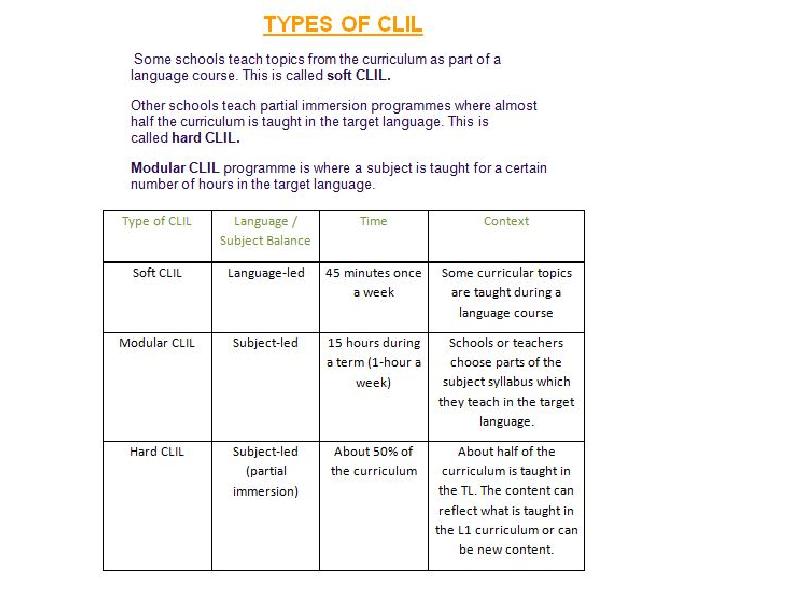
Look at the next slide describing different contexts for CLIL…… Which one is closest to the situation envisaged for Kazakhstan in the new curriculum ?
Описание слайда:
Look at the next slide describing different contexts for CLIL…… Which one is closest to the situation envisaged for Kazakhstan in the new curriculum ?

Слайд 5


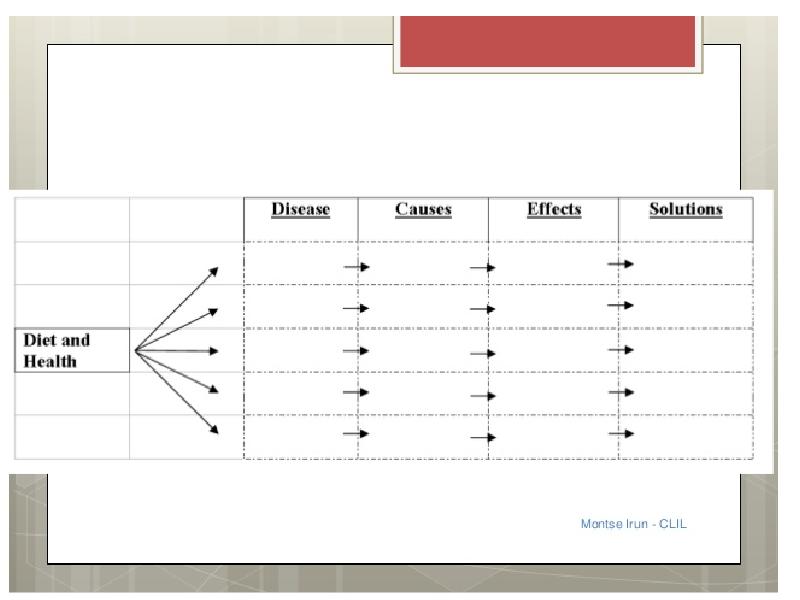
Week 3. Training Subject Teachers in CLIL, слайд №5
Описание слайда:
Слайд 6


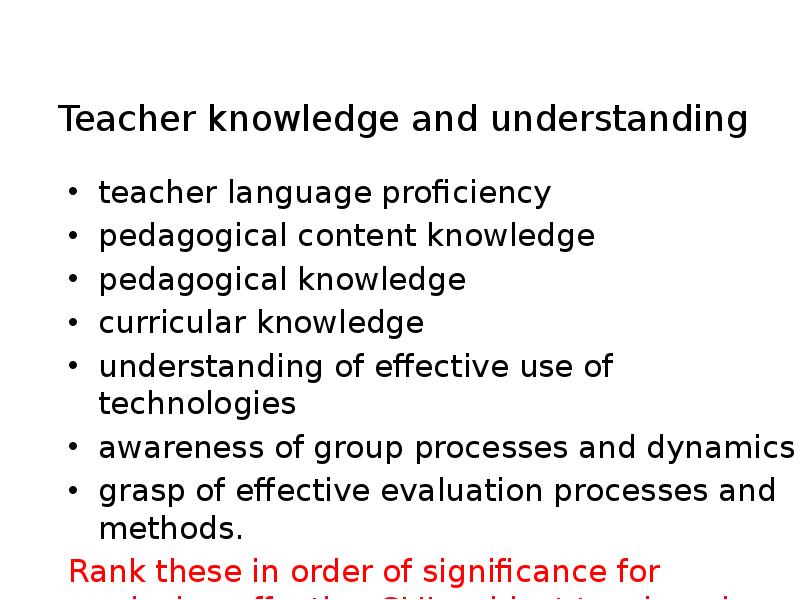
Teacher knowledge and understanding teacher language proficiency pedagogical content knowledge pedagogical knowledge curricular knowledge...
Описание слайда:
Teacher knowledge and understanding teacher language proficiency pedagogical content knowledge pedagogical knowledge curricular knowledge understanding of effective use of technologies awareness of group processes and dynamics grasp of effective evaluation processes and methods. Rank these in order of significance for producing effective CLIL subject teachers in Kazakhstan?

Слайд 7


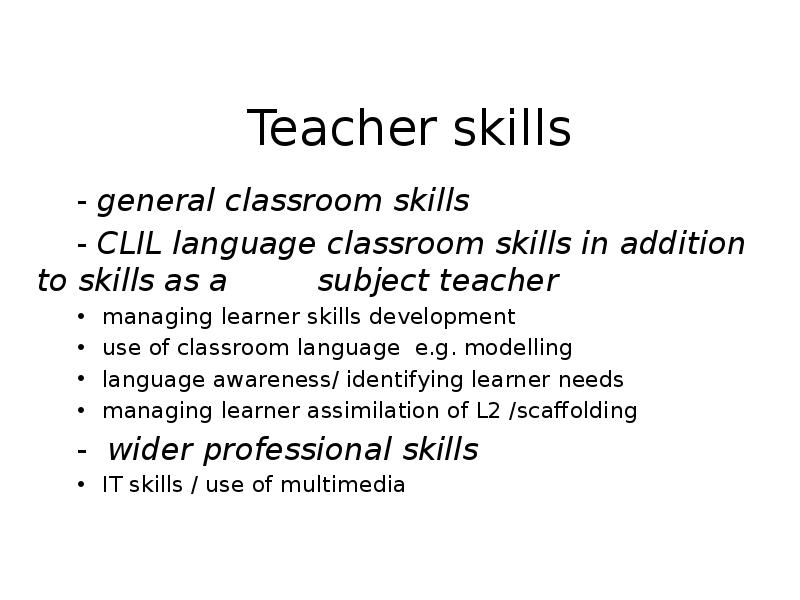
Teacher skills - general classroom skills - CLIL language classroom skills in addition to skills as a subject teacher managing learner skills...
Описание слайда:
Teacher skills - general classroom skills - CLIL language classroom skills in addition to skills as a subject teacher managing learner skills development use of classroom language e.g. modelling language awareness/ identifying learner needs managing learner assimilation of L2 /scaffolding - wider professional skills IT skills / use of multimedia

Слайд 8


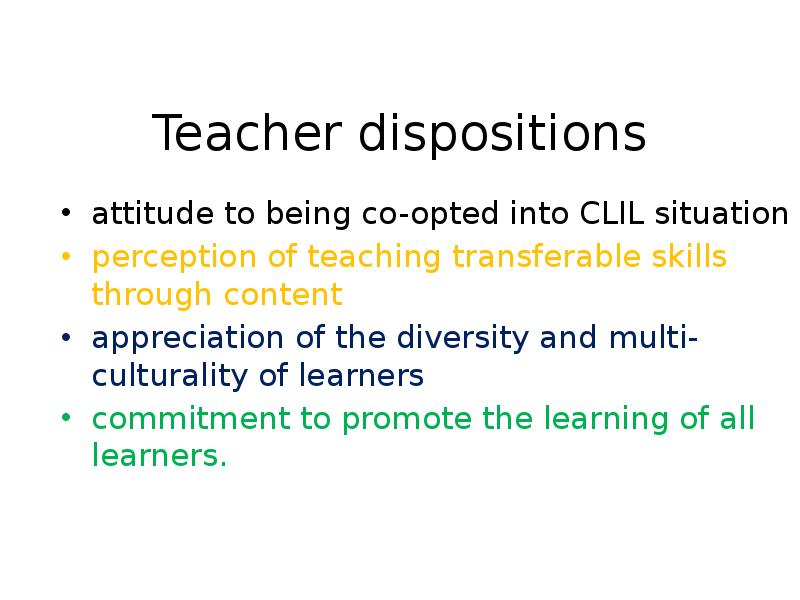
Teacher dispositions attitude to being co-opted into CLIL situation perception of teaching transferable skills through content appreciation of the...
Описание слайда:
Teacher dispositions attitude to being co-opted into CLIL situation perception of teaching transferable skills through content appreciation of the diversity and multi-culturality of learners commitment to promote the learning of all learners.

Слайд 9


The structure of the training programme Step 1: raise teacher language competence to B1 Step 2: begin to explore classroom language for delivering...
Описание слайда:
The structure of the training programme Step 1: raise teacher language competence to B1 Step 2: begin to explore classroom language for delivering subject content Step 3: develop skills in language teaching and CLIL teaching basics Handout 1

Слайд 10


Watch this video clip…… What does it suggest about CLIL and the learning pyramid?
Описание слайда:
Watch this video clip…… What does it suggest about CLIL and the learning pyramid?

Слайд 11


CLIL Quotation
Описание слайда:
CLIL Quotation

Слайд 12


Core Principles of CLIL Raising awareness of language Across the curriculum Day 1 Session 3
Описание слайда:
Core Principles of CLIL Raising awareness of language Across the curriculum Day 1 Session 3

Слайд 13


A paradox In subject matter learning we overlook the role of language as a medium of learning, and in language learning we overlook the fact that...
Описание слайда:
A paradox In subject matter learning we overlook the role of language as a medium of learning, and in language learning we overlook the fact that content is being communicated. Mohan, 1986

Слайд 14


What is CLIL? Content and Language Integrated Learning ………. is not a panacea but an alternative means to providing opportunities for students to use...
Описание слайда:
What is CLIL? Content and Language Integrated Learning ………. is not a panacea but an alternative means to providing opportunities for students to use language to learn rather than learning to use languages which is the core task of language lessons.

Слайд 15


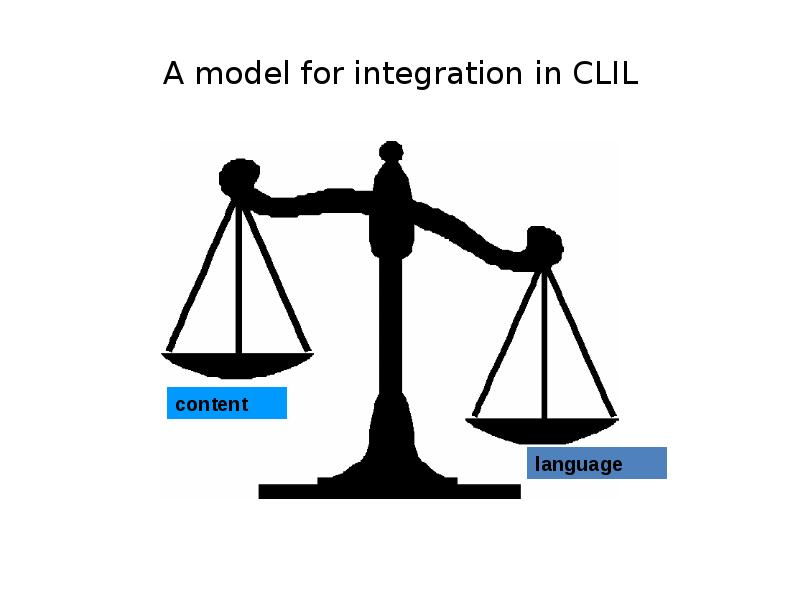
A model for integration in CLIL
Описание слайда:
A model for integration in CLIL

Слайд 16


Week 3. Training Subject Teachers in CLIL, слайд №16
Описание слайда:

Слайд 17


Week 3. Training Subject Teachers in CLIL, слайд №17
Описание слайда:

Слайд 18


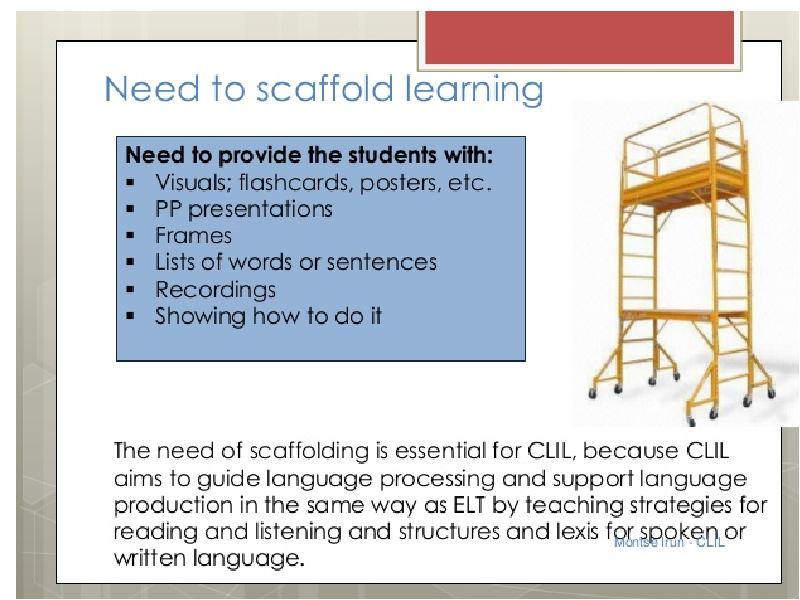
Week 3. Training Subject Teachers in CLIL, слайд №18
Описание слайда:

Слайд 19


Week 3. Training Subject Teachers in CLIL, слайд №19
Описание слайда:

Слайд 20


Week 3. Training Subject Teachers in CLIL, слайд №20
Описание слайда:

Слайд 21


Week 3. Training Subject Teachers in CLIL, слайд №21
Описание слайда:

Слайд 22


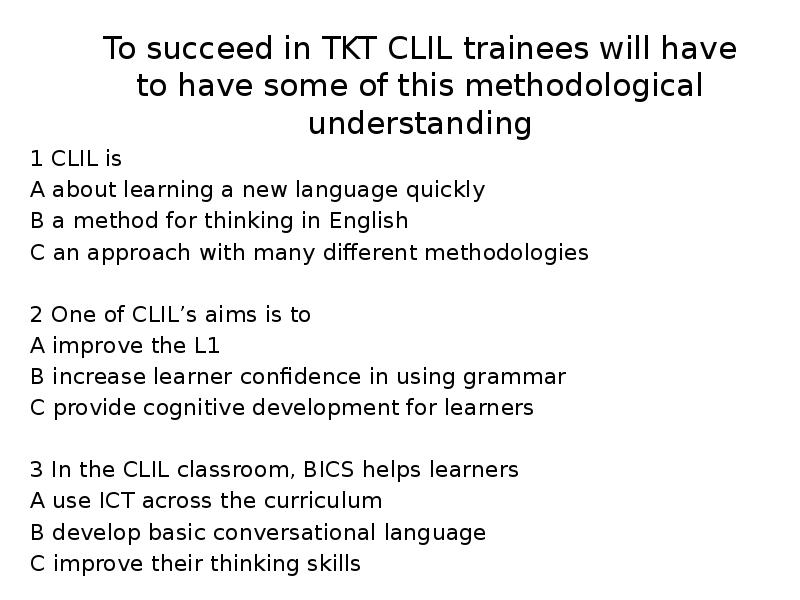
To succeed in TKT CLIL trainees will have to have some of this methodological understanding 1 CLIL is A about learning a new language quickly B a...
Описание слайда:
To succeed in TKT CLIL trainees will have to have some of this methodological understanding 1 CLIL is A about learning a new language quickly B a method for thinking in English C an approach with many different methodologies 2 One of CLIL’s aims is to A improve the L1 B increase learner confidence in using grammar C provide cognitive development for learners 3 In the CLIL classroom, BICS helps learners A use ICT across the curriculum B develop basic conversational language C improve their thinking skills

Слайд 23


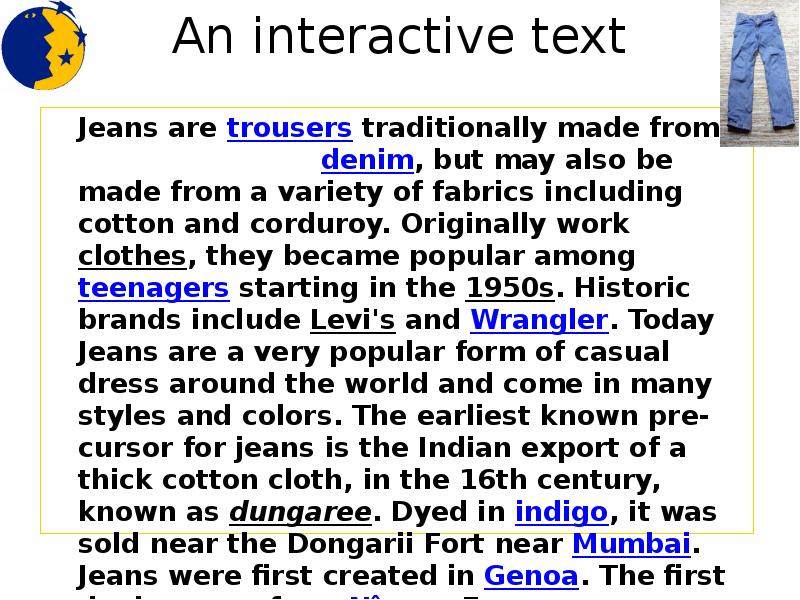
An interactive text Jeans are trousers traditionally made from denim, but may also be made from a variety of fabrics including cotton and corduroy....
Описание слайда:
An interactive text Jeans are trousers traditionally made from denim, but may also be made from a variety of fabrics including cotton and corduroy. Originally work clothes, they became popular among teenagers starting in the 1950s. Historic brands include Levi's and Wrangler. Today Jeans are a very popular form of casual dress around the world and come in many styles and colors. The earliest known pre-cursor for jeans is the Indian export of a thick cotton cloth, in the 16th century, known as dungaree. Dyed in indigo, it was sold near the Dongarii Fort near Mumbai. Jeans were first created in Genoa. The first denim came from Nîmes, France.

Слайд 24


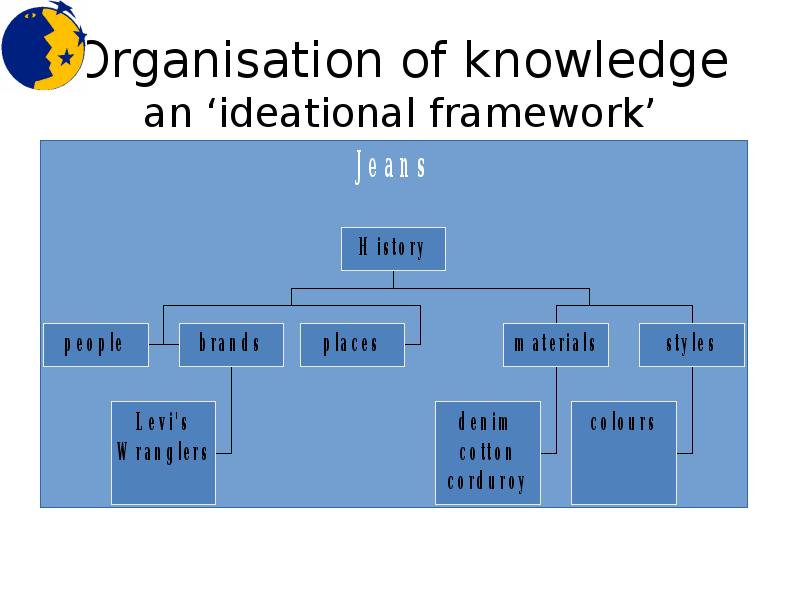
Organisation of knowledge an ‘ideational framework’
Описание слайда:
Organisation of knowledge an ‘ideational framework’

Слайд 25


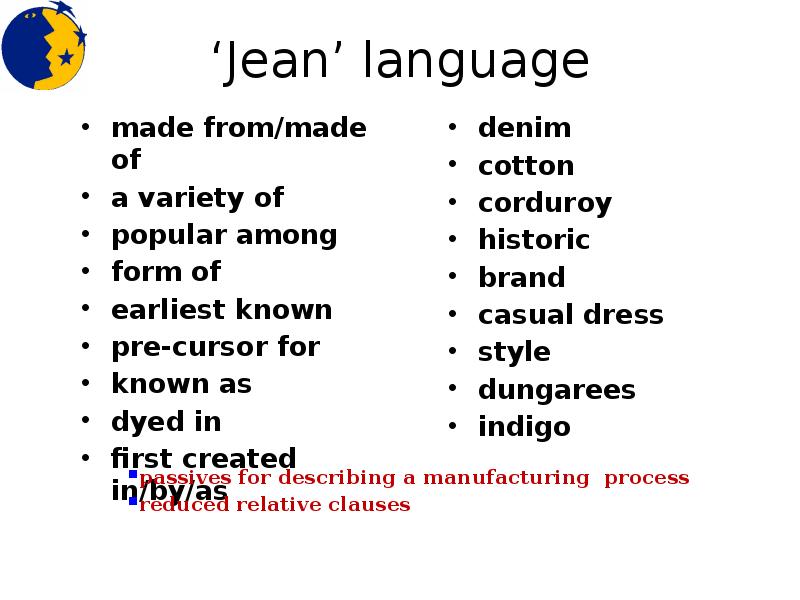
‘Jean’ language made from/made of a variety of popular among form of earliest known pre-cursor for known as dyed in first created in/by/as
Описание слайда:
‘Jean’ language made from/made of a variety of popular among form of earliest known pre-cursor for known as dyed in first created in/by/as

Слайд 26


So vocabulary is key …. sample Maths lesson What is the difference between these groups of words ?
Описание слайда:
So vocabulary is key …. sample Maths lesson What is the difference between these groups of words ?

Слайд 27


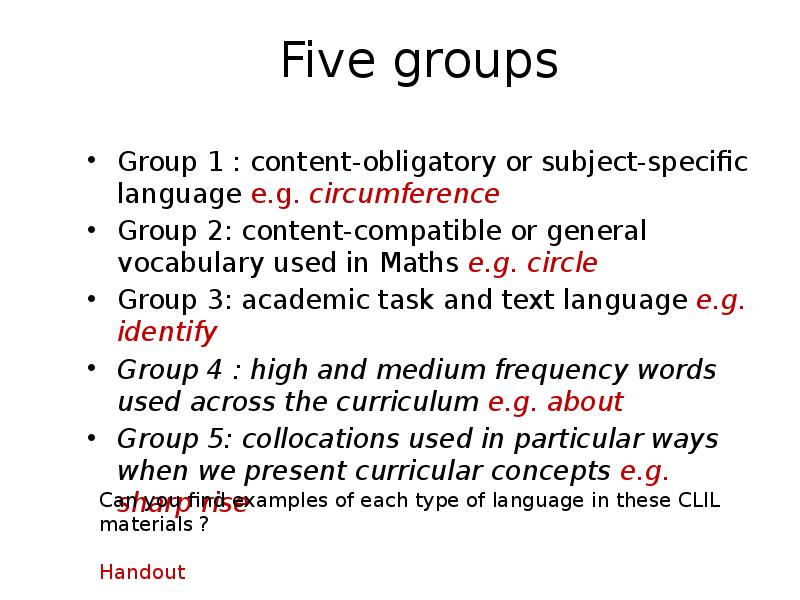
Five groups Group 1 : content-obligatory or subject-specific language e.g. circumference Group 2: content-compatible or general vocabulary used in...
Описание слайда:
Five groups Group 1 : content-obligatory or subject-specific language e.g. circumference Group 2: content-compatible or general vocabulary used in Maths e.g. circle Group 3: academic task and text language e.g. identify Group 4 : high and medium frequency words used across the curriculum e.g. about Group 5: collocations used in particular ways when we present curricular concepts e.g. sharp rise

Слайд 28


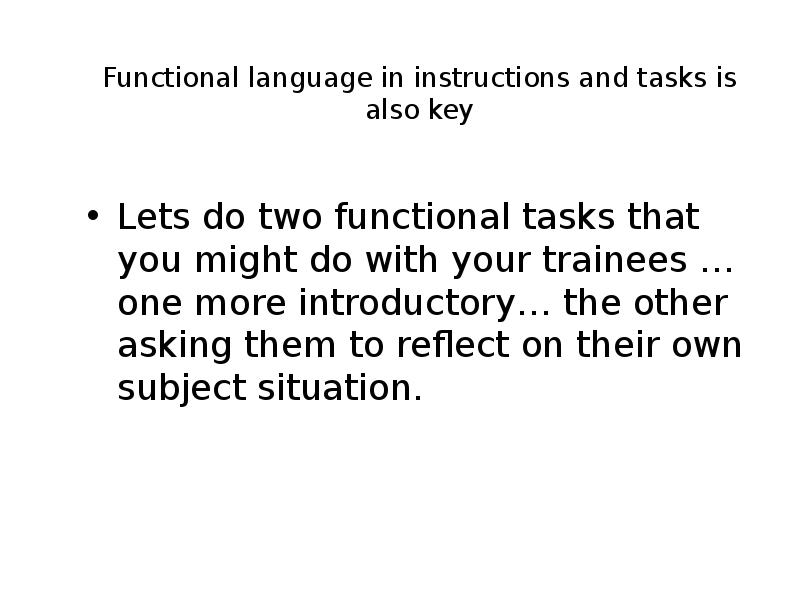
Functional language in instructions and tasks is also key Lets do two functional tasks that you might do with your trainees … one more introductory…...
Описание слайда:
Functional language in instructions and tasks is also key Lets do two functional tasks that you might do with your trainees … one more introductory… the other asking them to reflect on their own subject situation.

Слайд 29


For success in TKT trainees will need basic language awareness as in this task Examples of language 1 The new bridge won’t be finished until next...
Описание слайда:
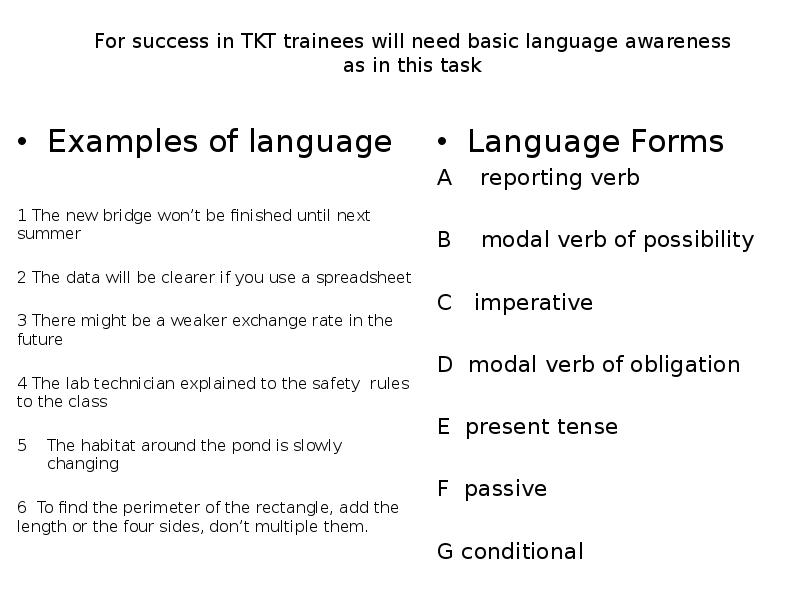
For success in TKT trainees will need basic language awareness as in this task Examples of language 1 The new bridge won’t be finished until next summer 2 The data will be clearer if you use a spreadsheet 3 There might be a weaker exchange rate in the future 4 The lab technician explained to the safety rules to the class The habitat around the pond is slowly changing 6 To find the perimeter of the rectangle, add the length or the four sides, don’t multiple them.

Слайд 30


Session 1 Communication Across the curriculum Day 2
Описание слайда:
Session 1 Communication Across the curriculum Day 2

Слайд 31


Week 3. Training Subject Teachers in CLIL, слайд №31
Описание слайда:

Слайд 32


Week 3. Training Subject Teachers in CLIL, слайд №32
Описание слайда:

Слайд 33


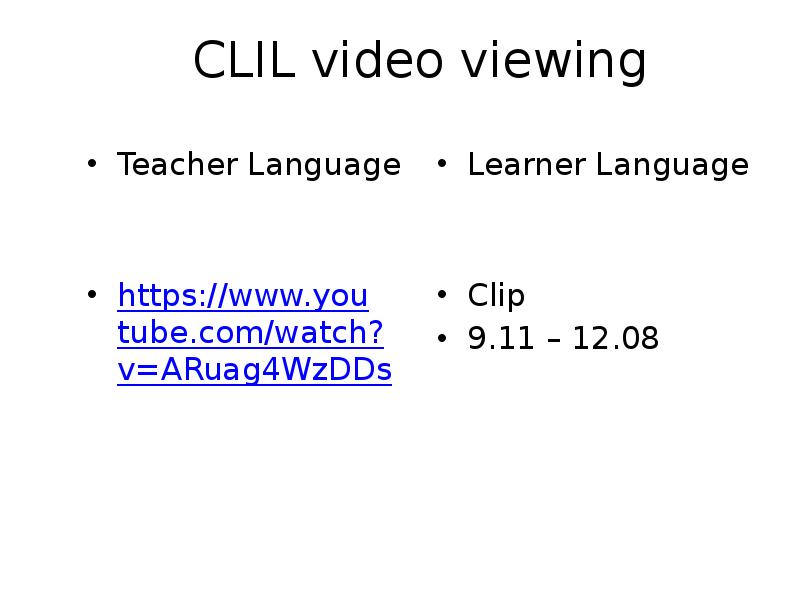
CLIL video viewing Teacher Language
Описание слайда:
CLIL video viewing Teacher Language

Слайд 34


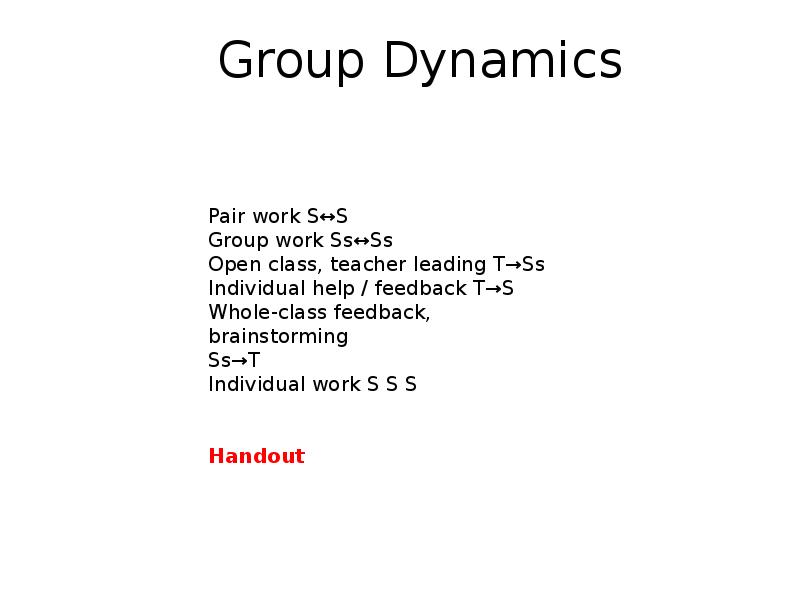
Group Dynamics
Описание слайда:
Group Dynamics

Слайд 35


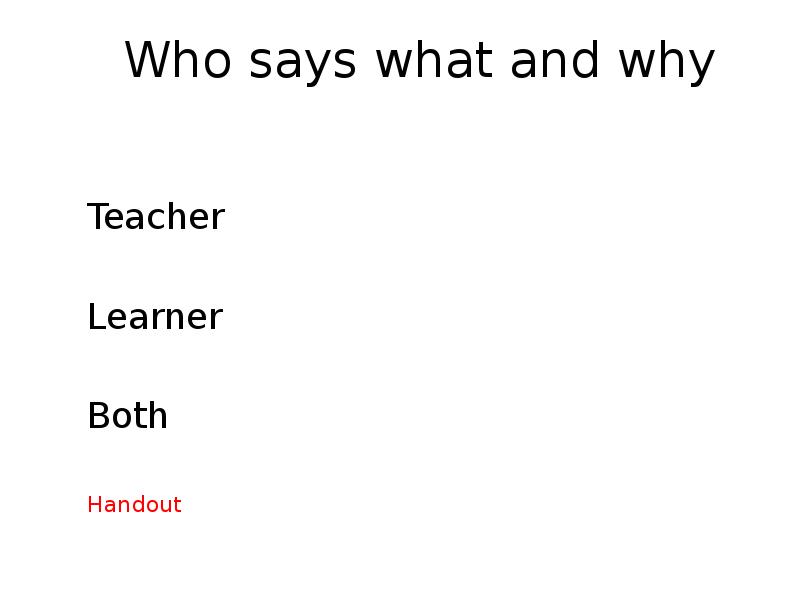
Who says what and why Teacher Learner Both Handout
Описание слайда:
Who says what and why Teacher Learner Both Handout

Слайд 36


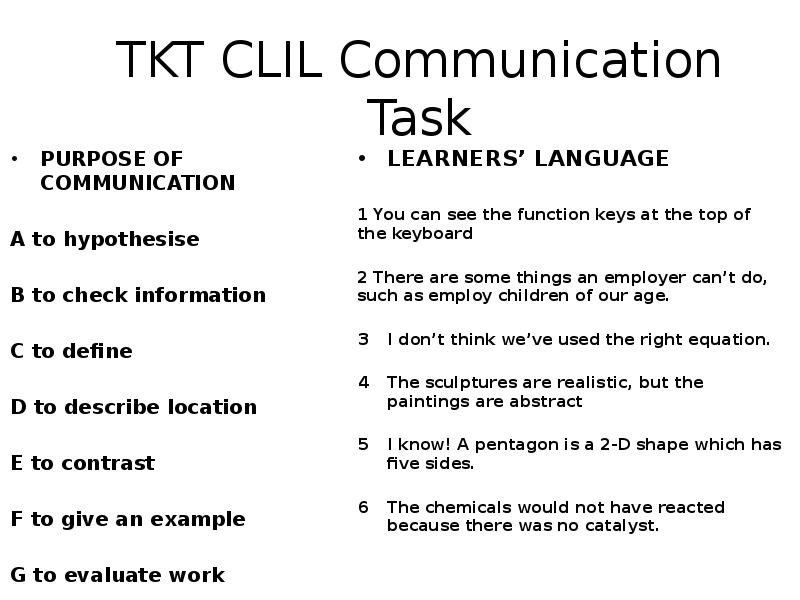
TKT CLIL Communication Task PURPOSE OF COMMUNICATION A to hypothesise B to check information C to define D to describe location E to contrast F to...
Описание слайда:
TKT CLIL Communication Task PURPOSE OF COMMUNICATION A to hypothesise B to check information C to define D to describe location E to contrast F to give an example G to evaluate work

Слайд 37


Session 2 Day 2
Описание слайда:
Session 2 Day 2

Слайд 38


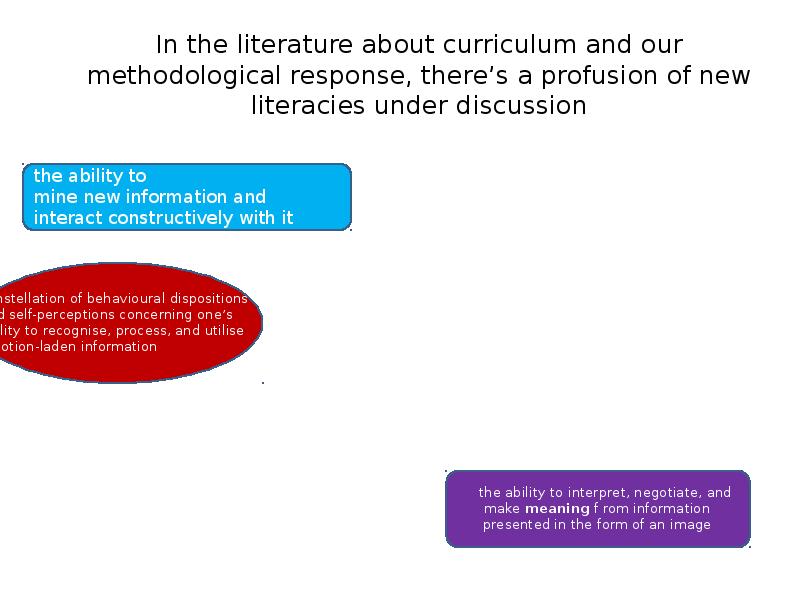
In the literature about curriculum and our methodological response, there’s a profusion of new literacies under discussion
Описание слайда:
In the literature about curriculum and our methodological response, there’s a profusion of new literacies under discussion

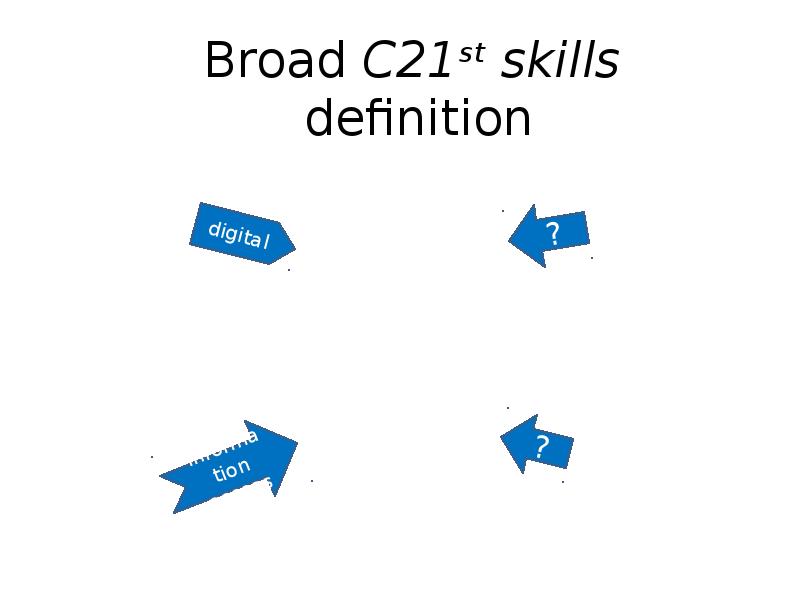
Слайд 39


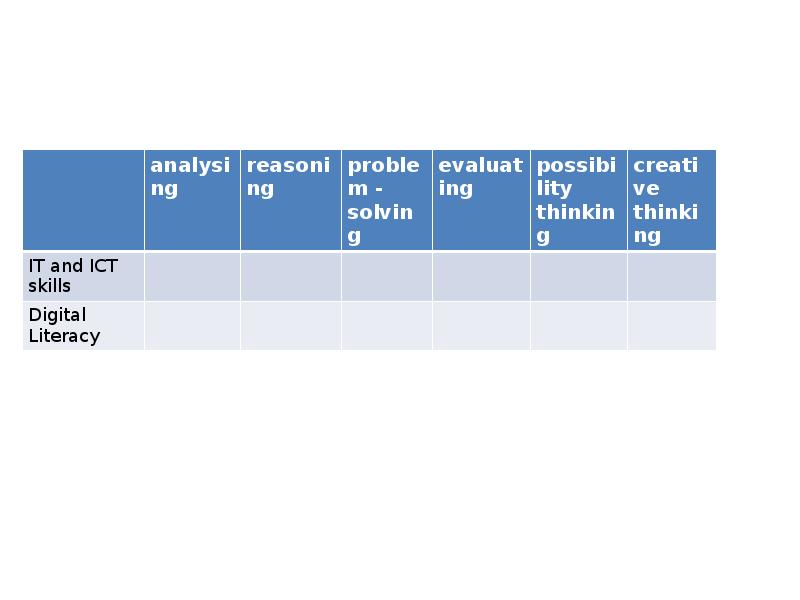
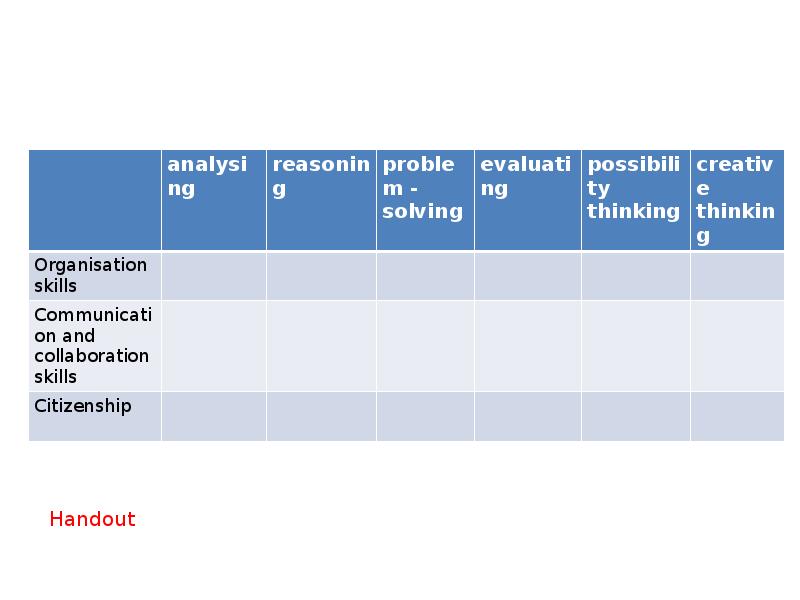
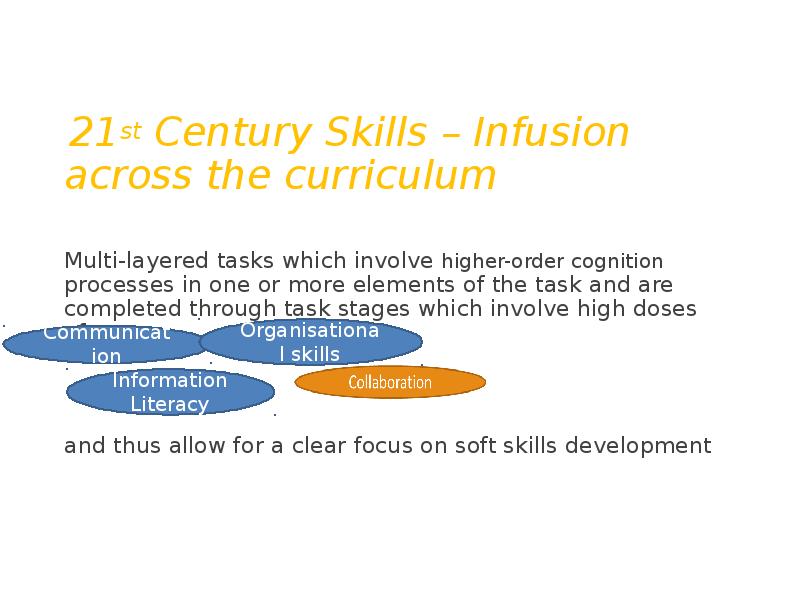
Broad C21st skills definition
Описание слайда:
Broad C21st skills definition

Слайд 40


Week 3. Training Subject Teachers in CLIL, слайд №40
Описание слайда:

Слайд 41


Week 3. Training Subject Teachers in CLIL, слайд №41
Описание слайда:

Слайд 42


Week 3. Training Subject Teachers in CLIL, слайд №42
Описание слайда:

Слайд 43


Week 3. Training Subject Teachers in CLIL, слайд №43
Описание слайда:

Слайд 44


Week 3. Training Subject Teachers in CLIL, слайд №44
Описание слайда:

Слайд 45


Week 3. Training Subject Teachers in CLIL, слайд №45
Описание слайда:

Слайд 46


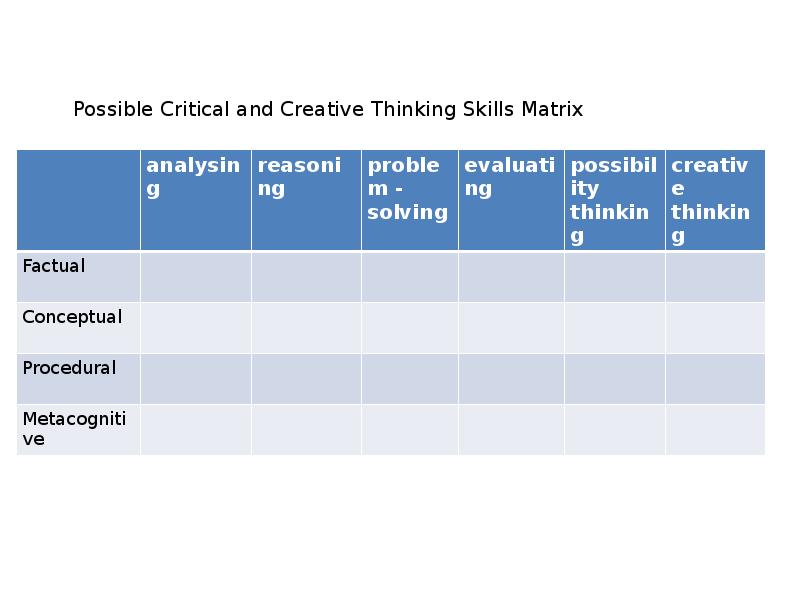
Thinking Skills and Task Rubrics To ensure teachers are developing a range of thinking skills, they need to vary the tasks and rubrics they use
Описание слайда:
Thinking Skills and Task Rubrics To ensure teachers are developing a range of thinking skills, they need to vary the tasks and rubrics they use

Слайд 47


Learning Skills Across the Curriculum Lets do three tasks Reading Skills focus Sub-skills Learning skills across the curriculum Handouts
Описание слайда:
Learning Skills Across the Curriculum Lets do three tasks Reading Skills focus Sub-skills Learning skills across the curriculum Handouts

Слайд 48


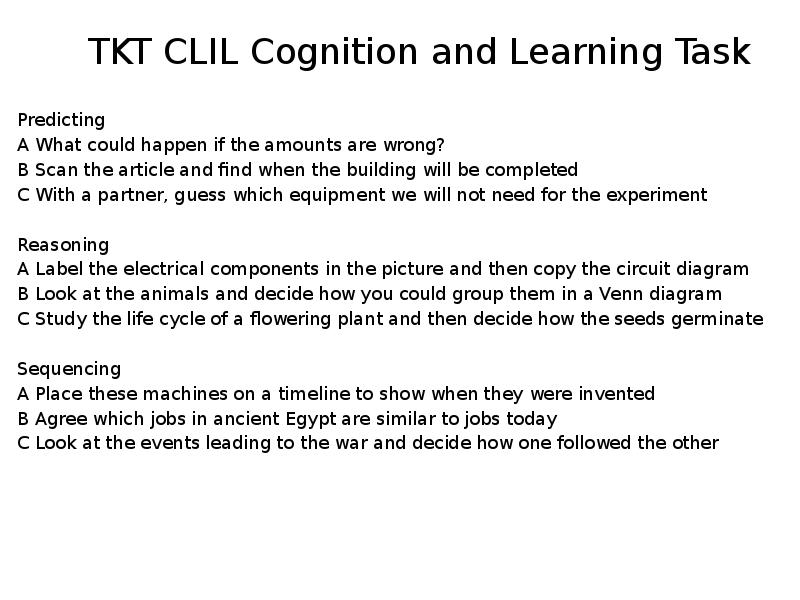
TKT CLIL Cognition and Learning Task Predicting A What could happen if the amounts are wrong? B Scan the article and find when the building will be...
Описание слайда:
TKT CLIL Cognition and Learning Task Predicting A What could happen if the amounts are wrong? B Scan the article and find when the building will be completed C With a partner, guess which equipment we will not need for the experiment Reasoning A Label the electrical components in the picture and then copy the circuit diagram B Look at the animals and decide how you could group them in a Venn diagram C Study the life cycle of a flowering plant and then decide how the seeds germinate Sequencing A Place these machines on a timeline to show when they were invented B Agree which jobs in ancient Egypt are similar to jobs today C Look at the events leading to the war and decide how one followed the other

Слайд 49


Session 3 Teacher and Trainer Questioning Day 2
Описание слайда:
Session 3 Teacher and Trainer Questioning Day 2

Слайд 50


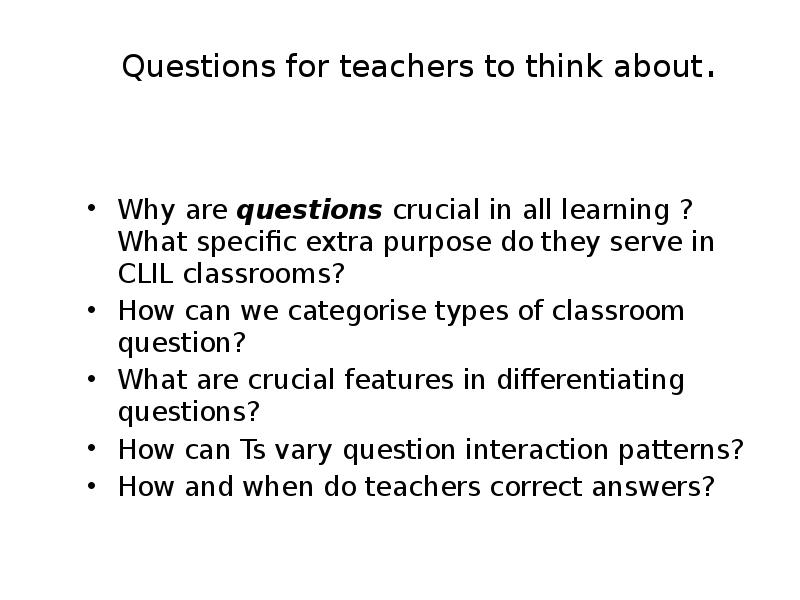
Questions for teachers to think about. Why are questions crucial in all learning ? What specific extra purpose do they serve in CLIL classrooms? How...
Описание слайда:
Questions for teachers to think about. Why are questions crucial in all learning ? What specific extra purpose do they serve in CLIL classrooms? How can we categorise types of classroom question? What are crucial features in differentiating questions? How can Ts vary question interaction patterns? How and when do teachers correct answers?

Слайд 51


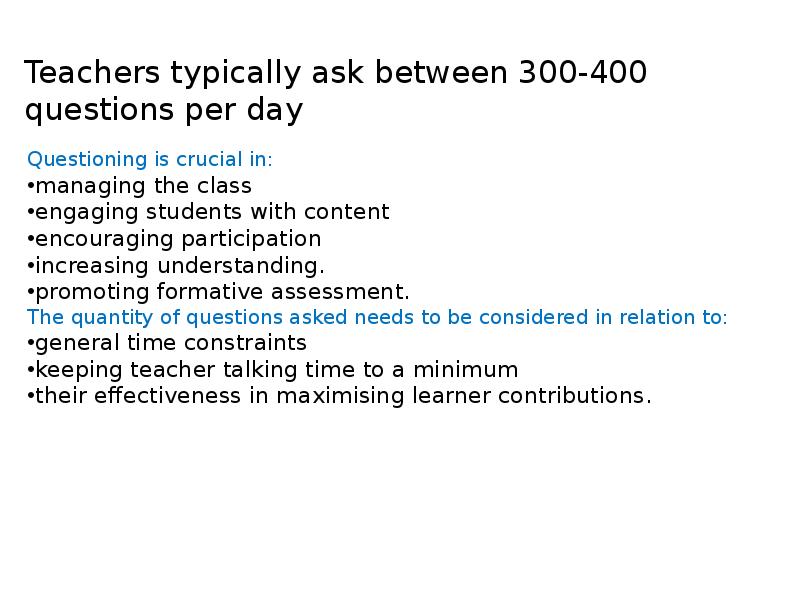
Teachers typically ask between 300-400 questions per day Questioning is crucial in: managing the class engaging students with content encouraging...
Описание слайда:
Teachers typically ask between 300-400 questions per day Questioning is crucial in: managing the class engaging students with content encouraging participation increasing understanding. promoting formative assessment. The quantity of questions asked needs to be considered in relation to: general time constraints keeping teacher talking time to a minimum their effectiveness in maximising learner contributions.

Слайд 52


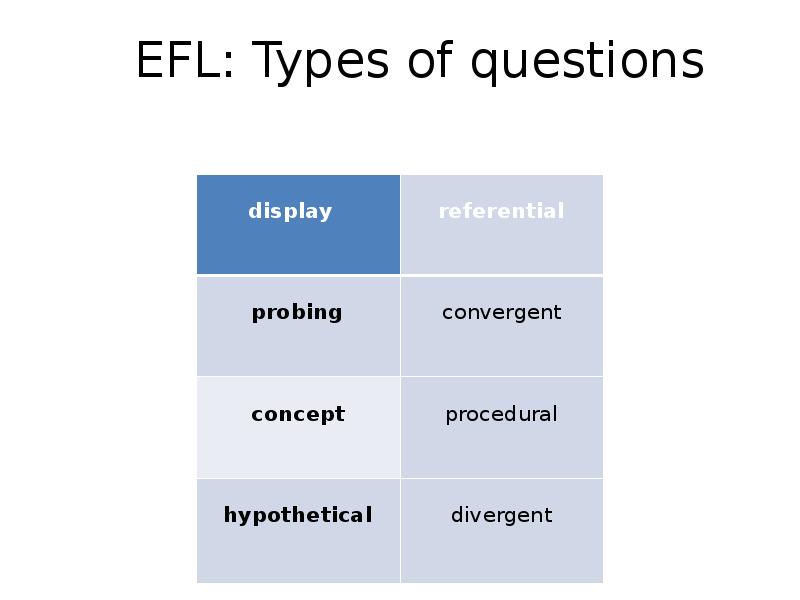
EFL: Types of questions
Описание слайда:
EFL: Types of questions

Слайд 53


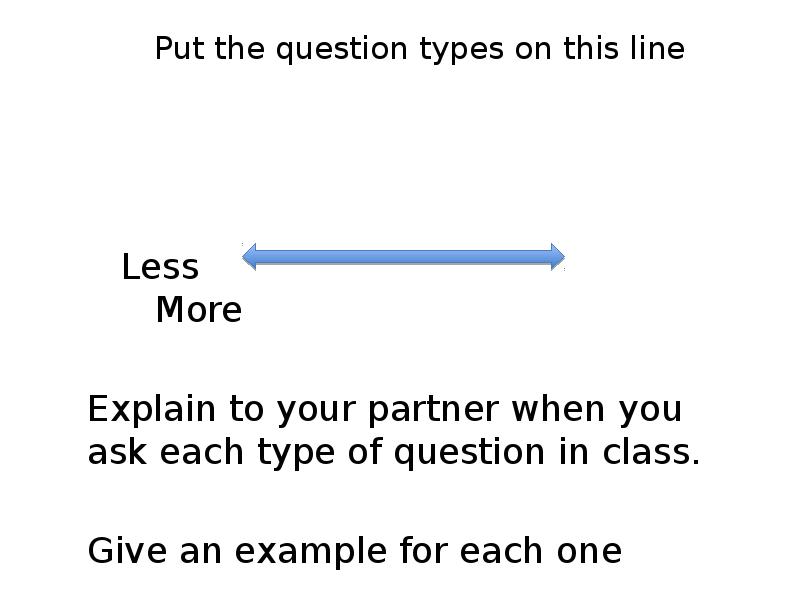
Put the question types on this line Less More Explain to your partner when you ask each type of question in class. Give an example for each one
Описание слайда:
Put the question types on this line Less More Explain to your partner when you ask each type of question in class. Give an example for each one

Слайд 54


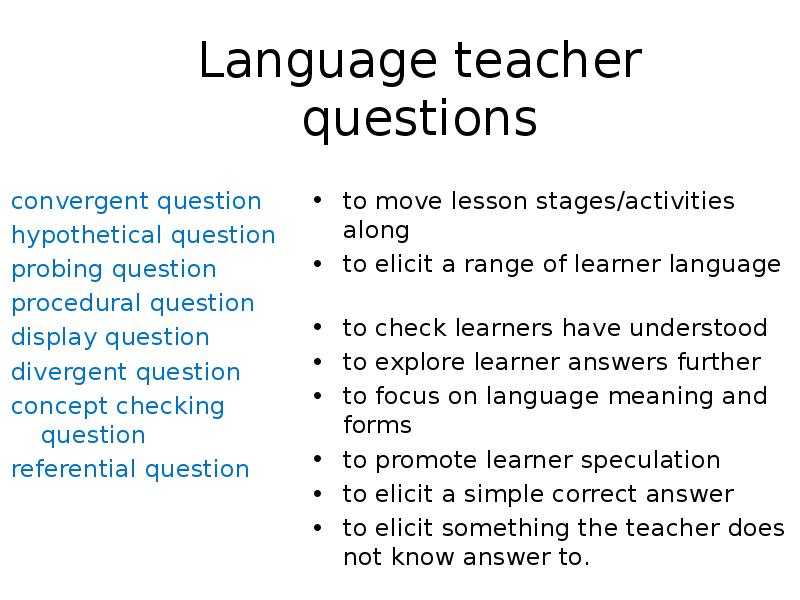
Language teacher questions convergent question hypothetical question probing question procedural question display question divergent question concept...
Описание слайда:
Language teacher questions convergent question hypothetical question probing question procedural question display question divergent question concept checking question referential question

Слайд 55


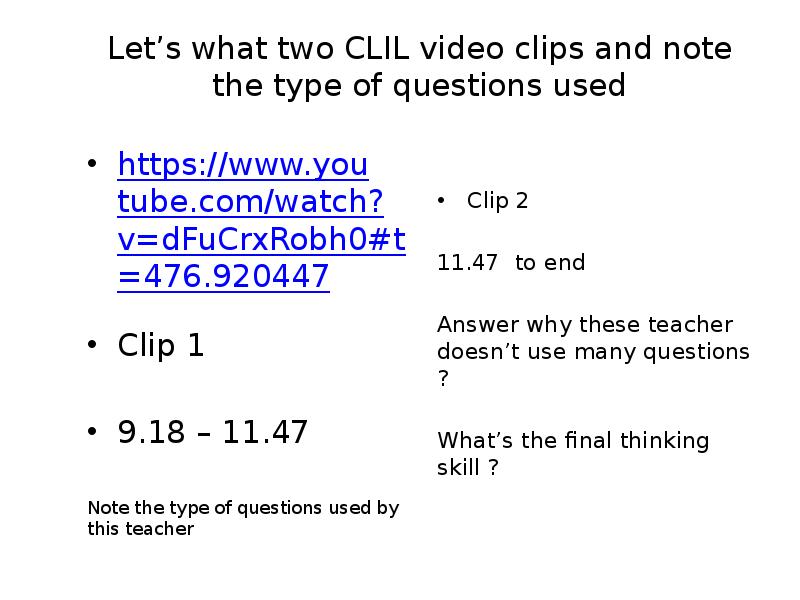
Let’s what two CLIL video clips and note the type of questions used Clip 1 9.18 – 11.47 Note the type of questions used by this teacher
Описание слайда:
Let’s what two CLIL video clips and note the type of questions used Clip 1 9.18 – 11.47 Note the type of questions used by this teacher

Слайд 56


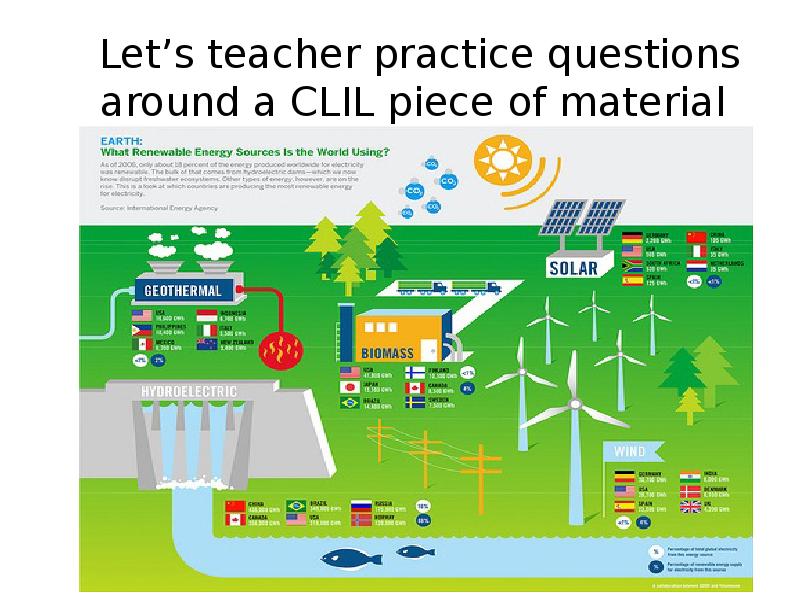
Let’s teacher practice questions around a CLIL piece of material
Описание слайда:
Let’s teacher practice questions around a CLIL piece of material

Слайд 57


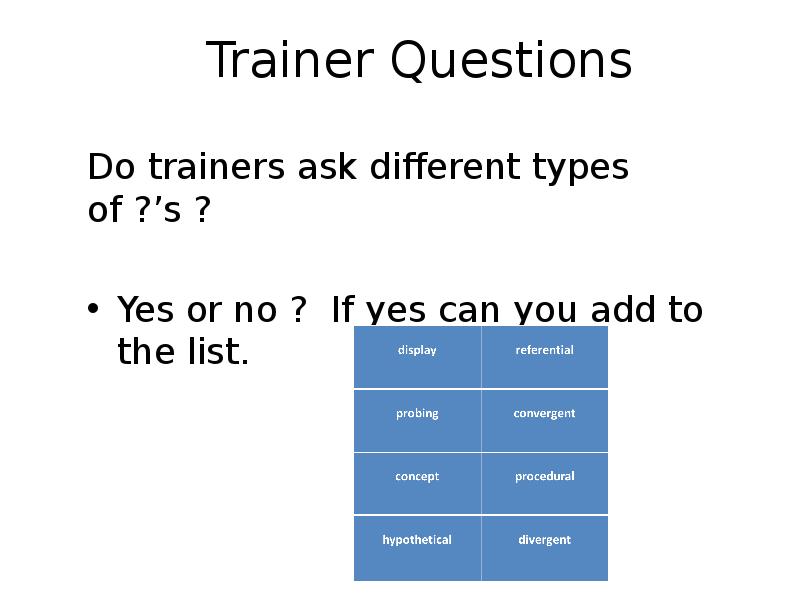
Trainer Questions Do trainers ask different types of ?’s ? Yes or no ? If yes can you add to the list.
Описание слайда:
Trainer Questions Do trainers ask different types of ?’s ? Yes or no ? If yes can you add to the list.

Слайд 58


Training room sub-skills planning the questions to be asked writing out the key questions wording questions appropriately asking concise and specific...
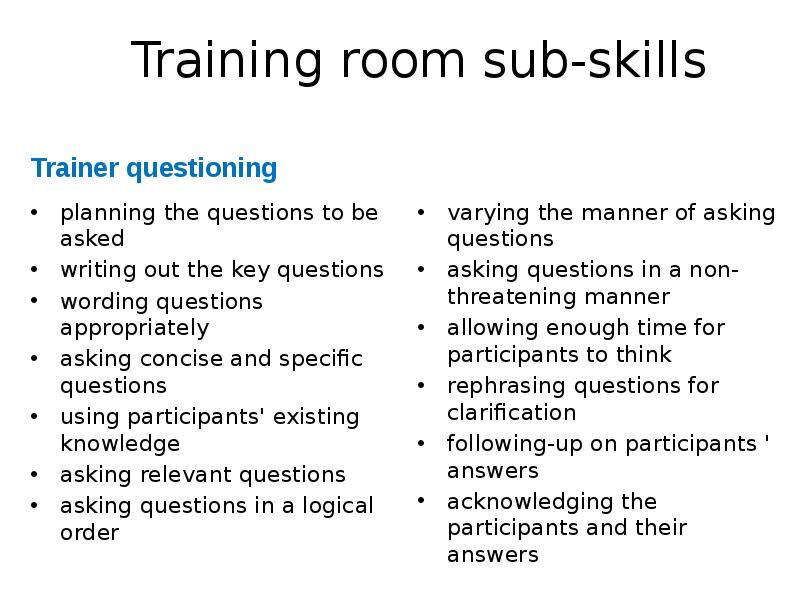
Описание слайда:
Training room sub-skills planning the questions to be asked writing out the key questions wording questions appropriately asking concise and specific questions using participants' existing knowledge asking relevant questions asking questions in a logical order

Слайд 59


Prepare questions relating to these different CLIL slides we have seen Slide 1 Principles of CLIL Slide 2 CLIL Language Slide 3 CLIL
Описание слайда:
Prepare questions relating to these different CLIL slides we have seen Slide 1 Principles of CLIL Slide 2 CLIL Language Slide 3 CLIL

Слайд 60


Raising Awareness of Classroom Language Day 3
Описание слайда:
Raising Awareness of Classroom Language Day 3

Слайд 61


In CLIL classroom practice The TEACHER is no longer the DONOR of knowledge, rather he/she is a FACILITATOR
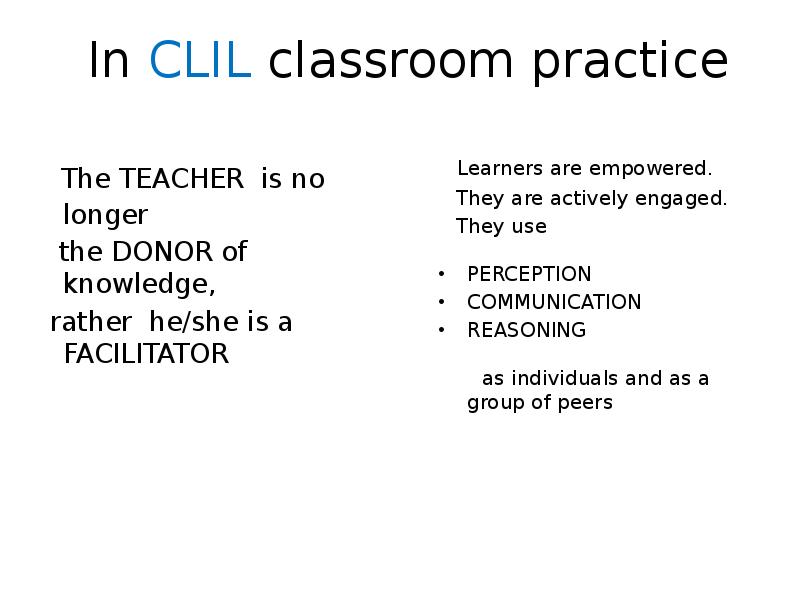
Описание слайда:
In CLIL classroom practice The TEACHER is no longer the DONOR of knowledge, rather he/she is a FACILITATOR

Слайд 62


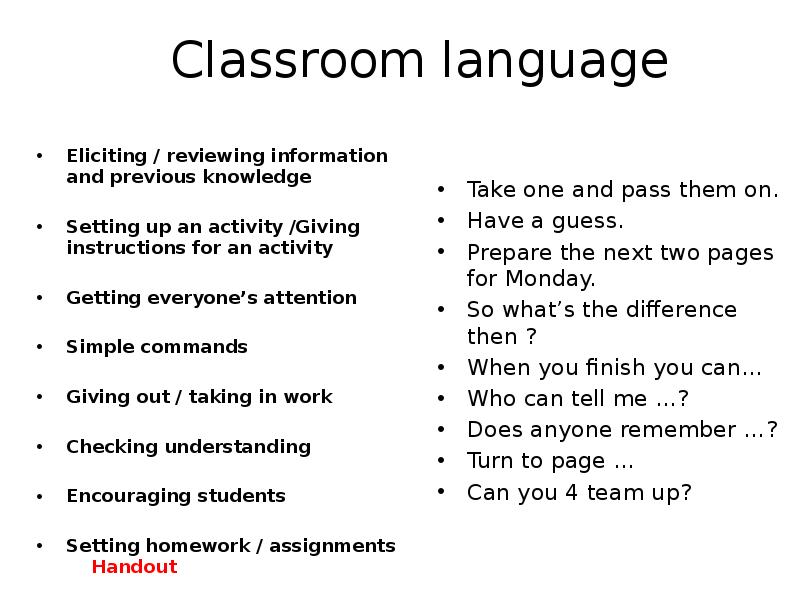
Classroom language Eliciting / reviewing information and previous knowledge Setting up an activity /Giving instructions for an activity Getting...
Описание слайда:
Classroom language Eliciting / reviewing information and previous knowledge Setting up an activity /Giving instructions for an activity Getting everyone’s attention Simple commands Giving out / taking in work Checking understanding Encouraging students Setting homework / assignments Handout

Слайд 63


Classroom instruction sequencing Let’s do a task
Описание слайда:
Classroom instruction sequencing Let’s do a task

Слайд 64


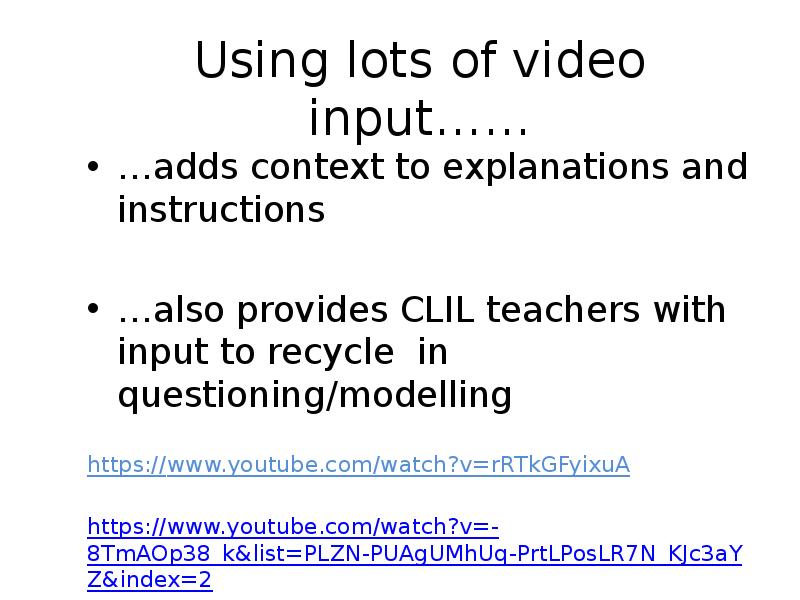
Using lots of video input…… …adds context to explanations and instructions …also provides CLIL teachers with input to recycle in questioning/modelling
Описание слайда:
Using lots of video input…… …adds context to explanations and instructions …also provides CLIL teachers with input to recycle in questioning/modelling

Слайд 65


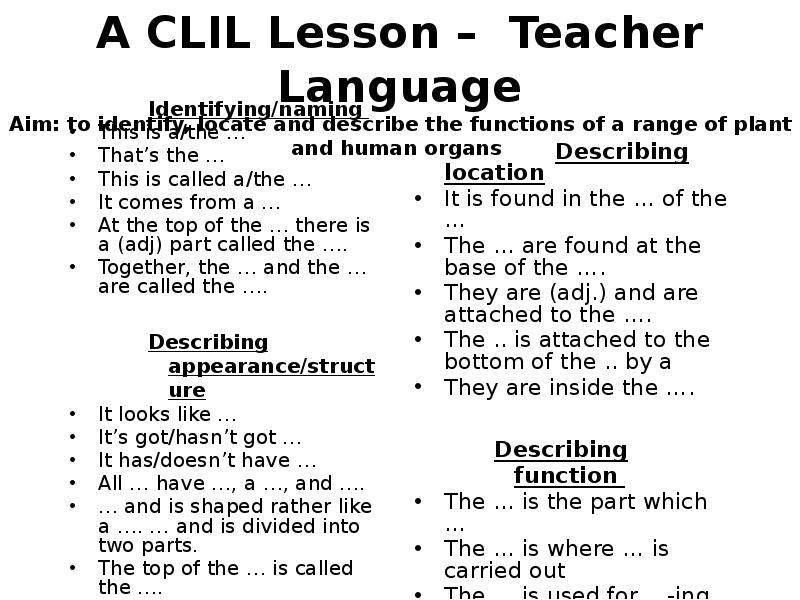
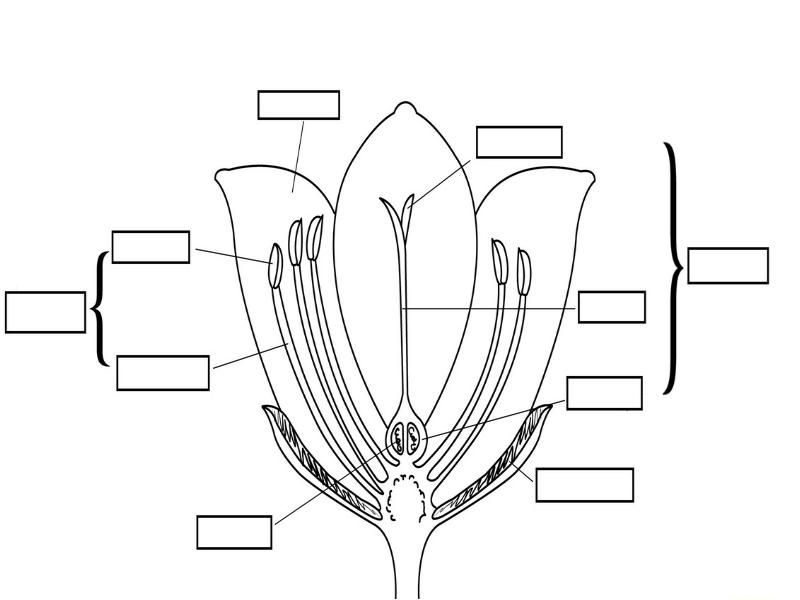
A CLIL Lesson – Teacher Language Aim: to identify, locate and describe the functions of a range of plant and human organs Identifying/naming This is...
Описание слайда:
A CLIL Lesson – Teacher Language Aim: to identify, locate and describe the functions of a range of plant and human organs Identifying/naming This is a/the … That’s the … This is called a/the … It comes from a … At the top of the … there is a (adj) part called the …. Together, the … and the … are called the …. Describing appearance/structure It looks like … It’s got/hasn’t got … It has/doesn’t have … All … have …, a …, and …. … and is shaped rather like a …. … and is divided into two parts. The top of the … is called the …. A long tube grows out of the …, this is the ..

Слайд 66


Week 3. Training Subject Teachers in CLIL, слайд №66
Описание слайда:

Слайд 67


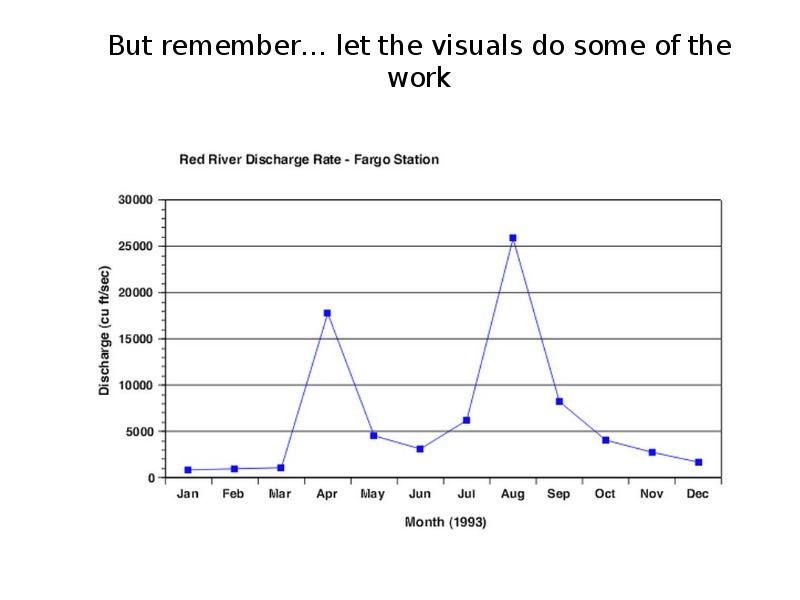
But remember… let the visuals do some of the work
Описание слайда:
But remember… let the visuals do some of the work

Слайд 68


Week 3. Training Subject Teachers in CLIL, слайд №68
Описание слайда:

Слайд 69


Week 3. Training Subject Teachers in CLIL, слайд №69
Описание слайда:

Слайд 70


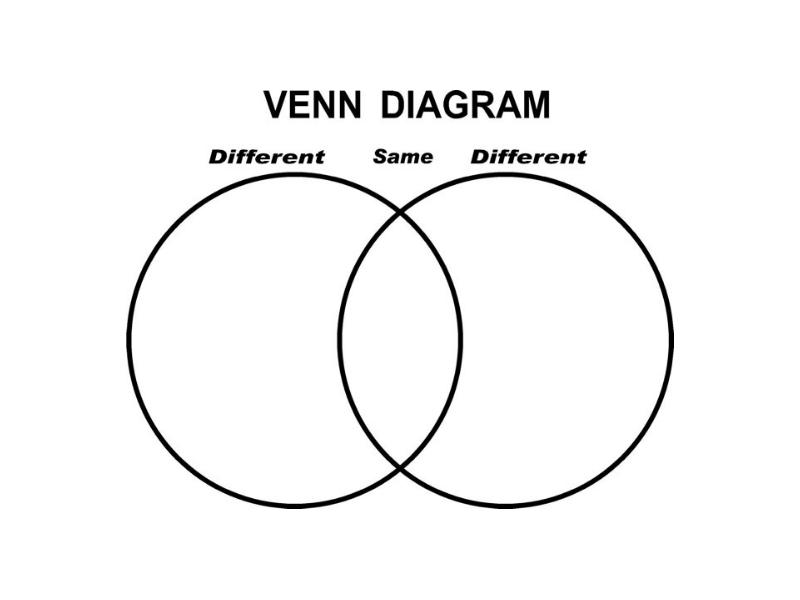
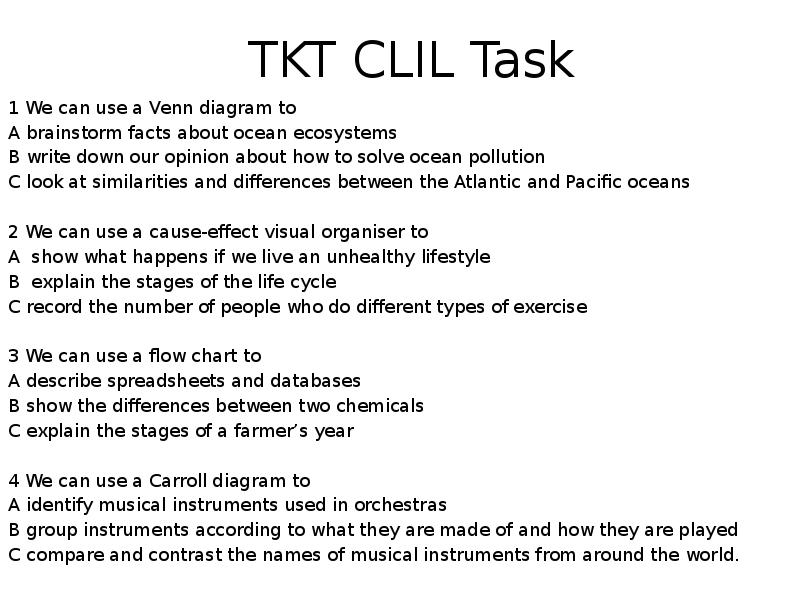
TKT CLIL Task 1 We can use a Venn diagram to A brainstorm facts about ocean ecosystems B write down our opinion about how to solve ocean pollution C...
Описание слайда:
TKT CLIL Task 1 We can use a Venn diagram to A brainstorm facts about ocean ecosystems B write down our opinion about how to solve ocean pollution C look at similarities and differences between the Atlantic and Pacific oceans 2 We can use a cause-effect visual organiser to A show what happens if we live an unhealthy lifestyle B explain the stages of the life cycle C record the number of people who do different types of exercise 3 We can use a flow chart to A describe spreadsheets and databases B show the differences between two chemicals C explain the stages of a farmer’s year 4 We can use a Carroll diagram to A identify musical instruments used in orchestras B group instruments according to what they are made of and how they are played C compare and contrast the names of musical instruments from around the world.

Слайд 71


Session 2 Scaffolding Day 2
Описание слайда:
Session 2 Scaffolding Day 2

Слайд 72


Week 3. Training Subject Teachers in CLIL, слайд №72
Описание слайда:

Слайд 73


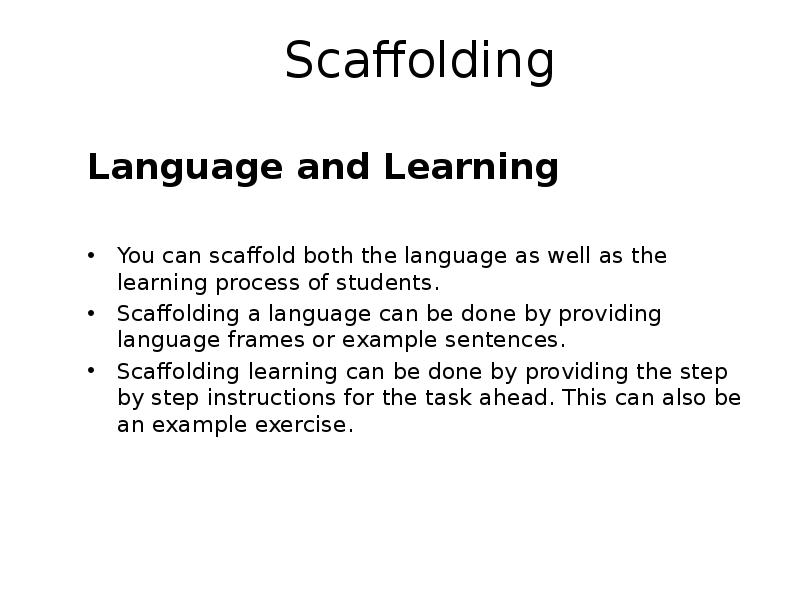
Scaffolding Language and Learning You can scaffold both the language as well as the learning process of students. Scaffolding a language can be done...
Описание слайда:
Scaffolding Language and Learning You can scaffold both the language as well as the learning process of students. Scaffolding a language can be done by providing language frames or example sentences. Scaffolding learning can be done by providing the step by step instructions for the task ahead. This can also be an example exercise.

Слайд 74


Week 3. Training Subject Teachers in CLIL, слайд №74
Описание слайда:

Слайд 75


Week 3. Training Subject Teachers in CLIL, слайд №75
Описание слайда:

Слайд 76


Week 3. Training Subject Teachers in CLIL, слайд №76
Описание слайда:

Слайд 77


Week 3. Training Subject Teachers in CLIL, слайд №77
Описание слайда:

Слайд 78


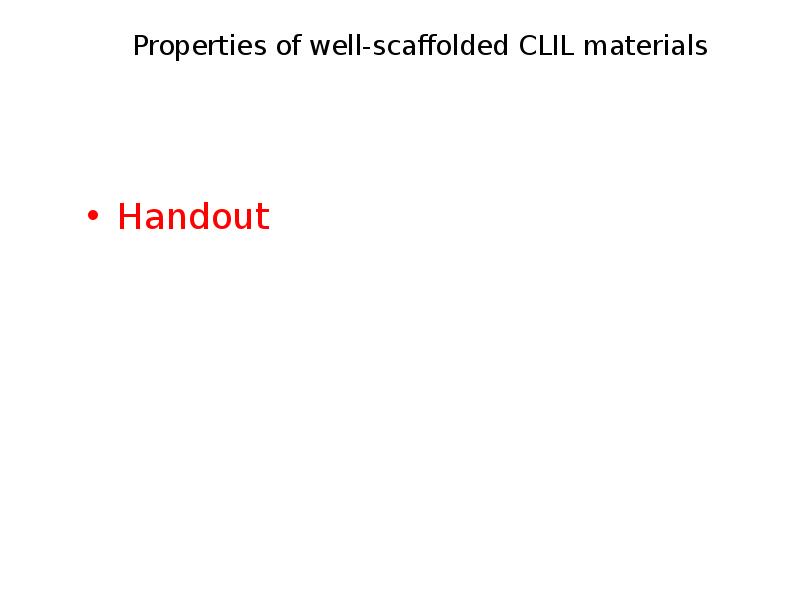
Properties of well-scaffolded CLIL materials Handout
Описание слайда:
Properties of well-scaffolded CLIL materials Handout

Слайд 79


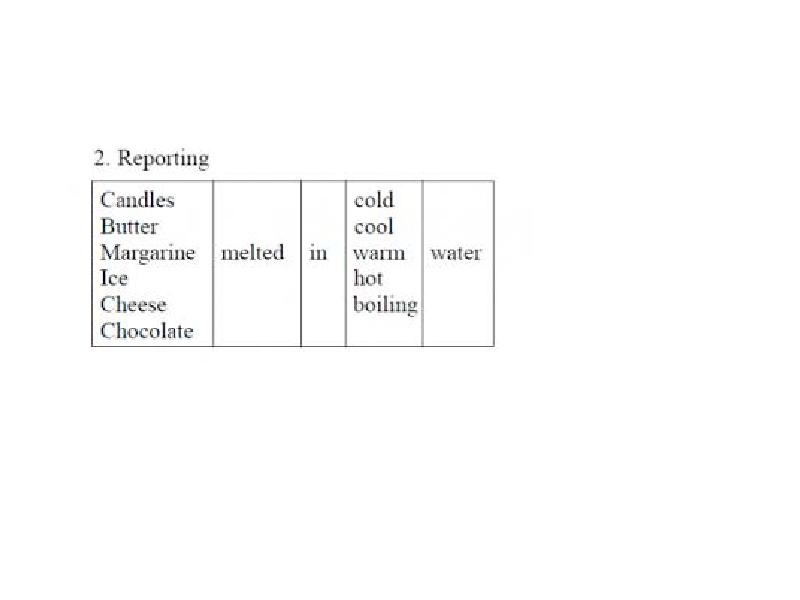
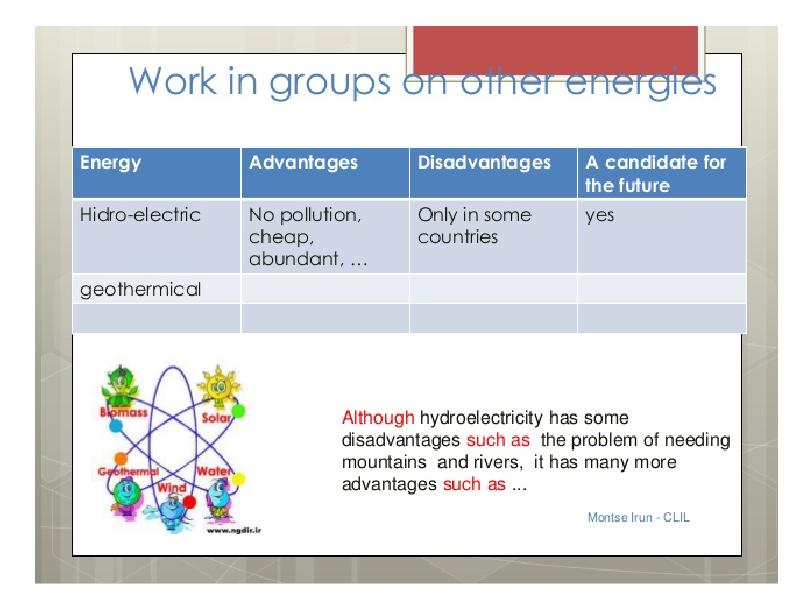
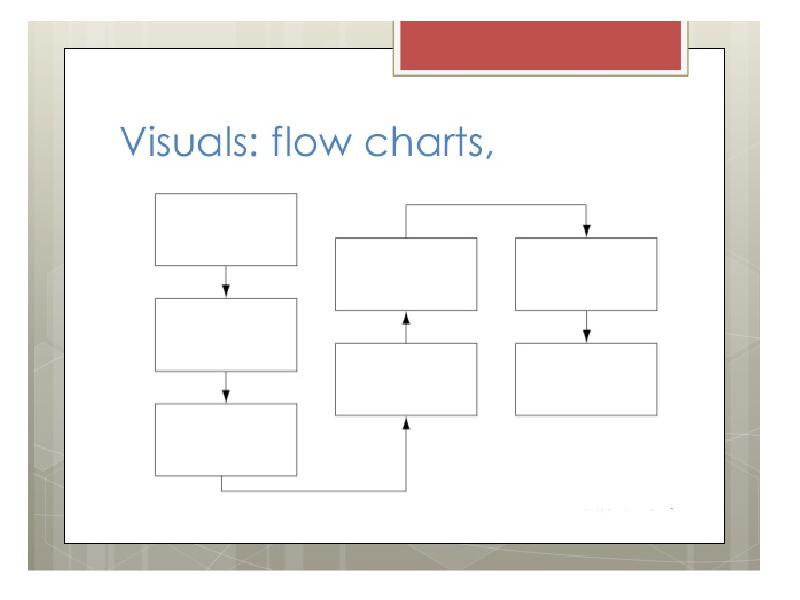
Types of visual organiser scaffolding Handout matching task
Описание слайда:
Types of visual organiser scaffolding Handout matching task

Слайд 80


Week 3. Training Subject Teachers in CLIL, слайд №80
Описание слайда:

Слайд 81


Week 3. Training Subject Teachers in CLIL, слайд №81
Описание слайда:

Слайд 82


Week 3. Training Subject Teachers in CLIL, слайд №82
Описание слайда:

Слайд 83


Week 3. Training Subject Teachers in CLIL, слайд №83
Описание слайда:

Слайд 84


Lets do a scaffolded input and scaffolded output task Handouts
Описание слайда:
Lets do a scaffolded input and scaffolded output task Handouts

Слайд 85


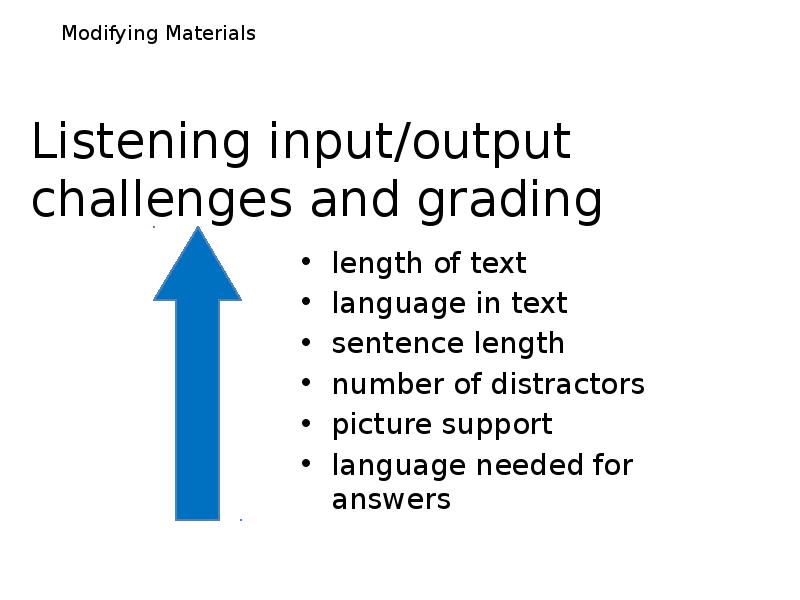
Listening input/output challenges and grading length of text language in text sentence length number of distractors picture support language needed...
Описание слайда:
Listening input/output challenges and grading length of text language in text sentence length number of distractors picture support language needed for answers

Слайд 86


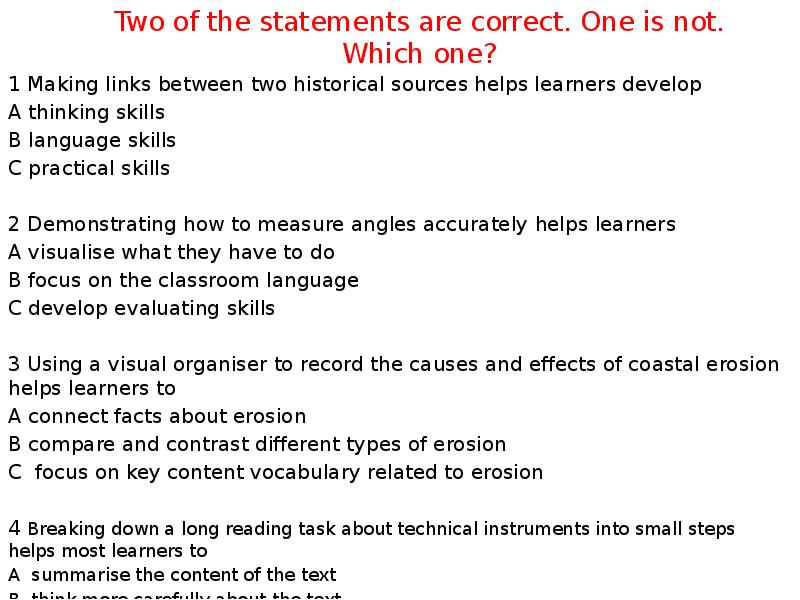
Two of the statements are correct. One is not. Which one? 1 Making links between two historical sources helps learners develop A thinking skills B...
Описание слайда:
Two of the statements are correct. One is not. Which one? 1 Making links between two historical sources helps learners develop A thinking skills B language skills C practical skills 2 Demonstrating how to measure angles accurately helps learners A visualise what they have to do B focus on the classroom language C develop evaluating skills 3 Using a visual organiser to record the causes and effects of coastal erosion helps learners to A connect facts about erosion B compare and contrast different types of erosion C focus on key content vocabulary related to erosion 4 Breaking down a long reading task about technical instruments into small steps helps most learners to A summarise the content of the text B think more carefully about the text C understand the content of the text

Слайд 87


Session 3 Evaluating CLIL Science Materials Observing and evaluating clil lesson sequences Day 3
Описание слайда:
Session 3 Evaluating CLIL Science Materials Observing and evaluating clil lesson sequences Day 3

Слайд 88


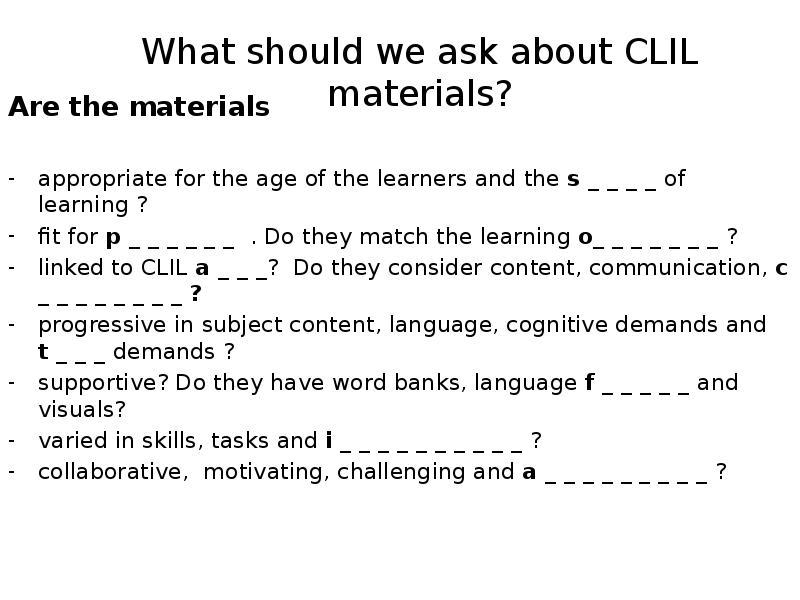
What should we ask about CLIL materials? Are the materials appropriate for the age of the learners and the s _ _ _ _ of learning ? fit for p _ _ _ _...
Описание слайда:
What should we ask about CLIL materials? Are the materials appropriate for the age of the learners and the s _ _ _ _ of learning ? fit for p _ _ _ _ _ _ . Do they match the learning o_ _ _ _ _ _ _ ? linked to CLIL a _ _ _? Do they consider content, communication, c _ _ _ _ _ _ _ _ ? progressive in subject content, language, cognitive demands and t _ _ _ demands ? supportive? Do they have word banks, language f _ _ _ _ _ and visuals? varied in skills, tasks and i _ _ _ _ _ _ _ _ _ _ ? collaborative, motivating, challenging and a _ _ _ _ _ _ _ _ _ ?

Слайд 89


Context-embedded Inset diagram
Описание слайда:
Context-embedded Inset diagram

Слайд 90


Types of resource in science Lab demos Topic tutorials Virtual Labs Maths for science CLIL resources UK/US mainstream resources
Описание слайда:
Types of resource in science Lab demos Topic tutorials Virtual Labs Maths for science CLIL resources UK/US mainstream resources

Слайд 91


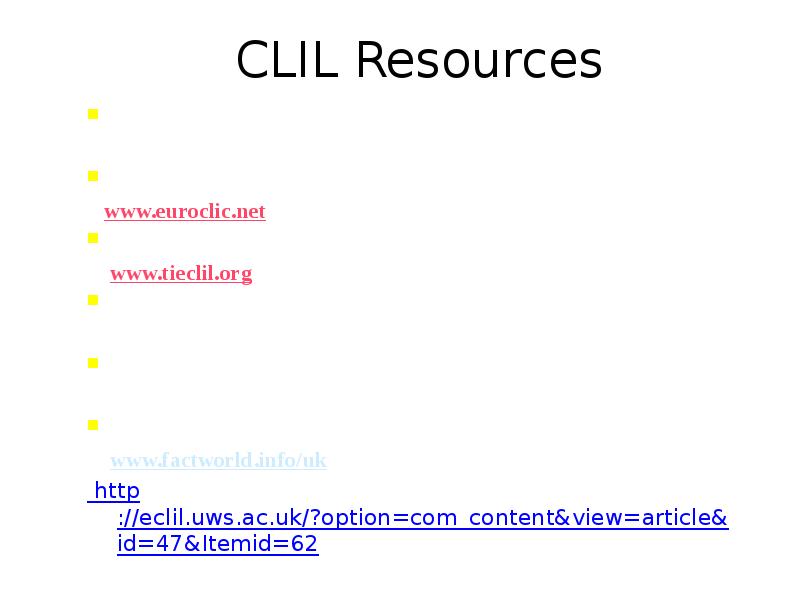
CLIL Resources The CLIL Compendium Euroclic Translanguage in Europe UK National Centre for languages NILE FACT
Описание слайда:
CLIL Resources The CLIL Compendium Euroclic Translanguage in Europe UK National Centre for languages NILE FACT

Слайд 92


Selecting Criteria from observation sheets General classroom observation criteria
Описание слайда:
Selecting Criteria from observation sheets General classroom observation criteria

Слайд 93


DVD observation lesson Biology CLIL lesson Almaty Biology lesson
Описание слайда:
DVD observation lesson Biology CLIL lesson Almaty Biology lesson

Слайд 94


TKT CLIL task HW Handout
Описание слайда:
TKT CLIL task HW Handout

Слайд 95


Planning CLIL Lessons Day 4 Session 1
Описание слайда:
Planning CLIL Lessons Day 4 Session 1

Слайд 96


Labels in CLIL Planning Most learners………… should know… be able to… be aware of …. What do these three headings which appear in many CLIL plans focus...
Описание слайда:
Labels in CLIL Planning Most learners………… should know… be able to… be aware of …. What do these three headings which appear in many CLIL plans focus on?

Слайд 97


Key questions in planning What are my teaching aims? What new things will learners know and be able to do at the end of the lesson? Which content is...
Описание слайда:
Key questions in planning What are my teaching aims? What new things will learners know and be able to do at the end of the lesson? Which content is being revisited and which is new? What communication is taking place? What thinking and learning skills are being developed? What language support needs to be provided? What task learning support needs to be provided? How will learning be evaluated?

Слайд 98


Look at the lesson plan on the handout Are all the planning points covered? Where are they covered?
Описание слайда:
Look at the lesson plan on the handout Are all the planning points covered? Where are they covered?

Слайд 99


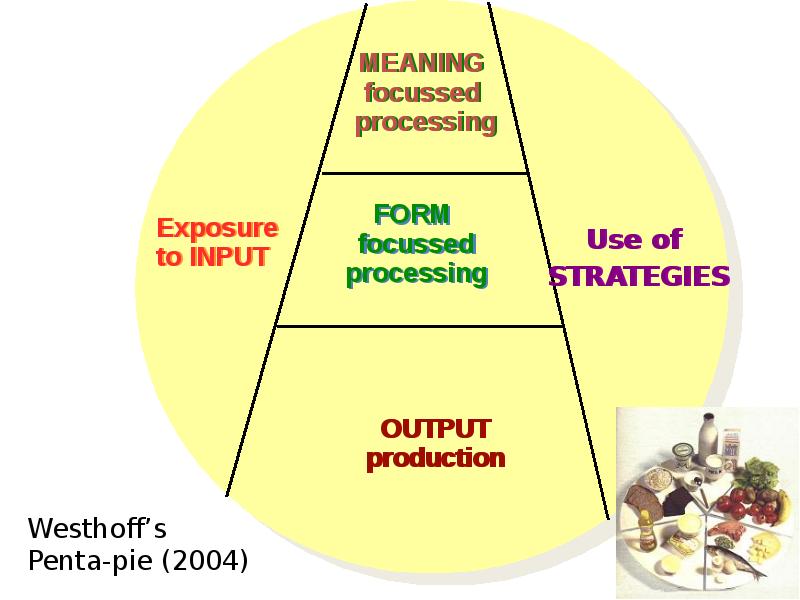
Look at this second plan Evaluate it in terms of Westhoff’s Penta-Pie on the next slide Does the lesson plan touch on each area ?
Описание слайда:
Look at this second plan Evaluate it in terms of Westhoff’s Penta-Pie on the next slide Does the lesson plan touch on each area ?

Слайд 100


Week 3. Training Subject Teachers in CLIL, слайд №100
Описание слайда:

Слайд 101


TKT CLIL Planning Task Find a Science CLIL lesson plan in an internet search. Does it have features you would want to integrate into the two plans we...
Описание слайда:
TKT CLIL Planning Task Find a Science CLIL lesson plan in an internet search. Does it have features you would want to integrate into the two plans we have seen? Prepare a slide to show the group features you like.

Слайд 102


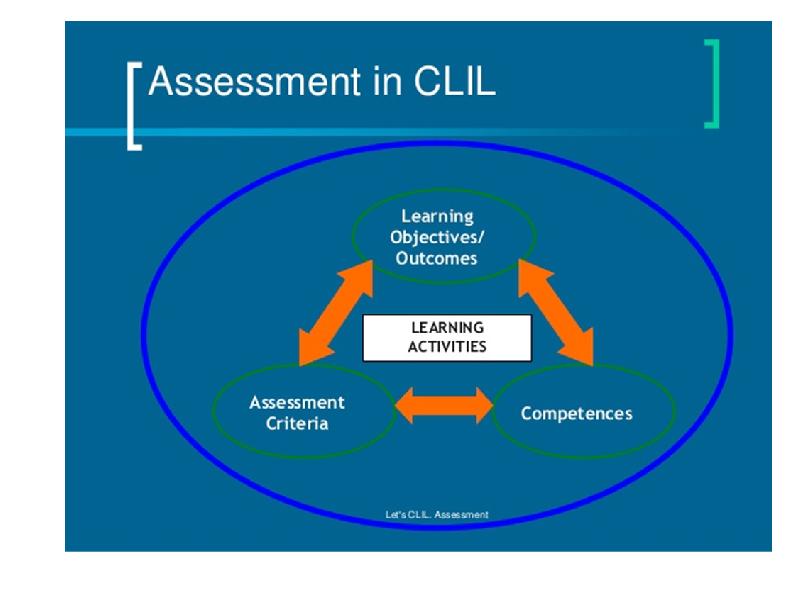
Session 2 Assessment in CLIL Day 4
Описание слайда:
Session 2 Assessment in CLIL Day 4

Слайд 103


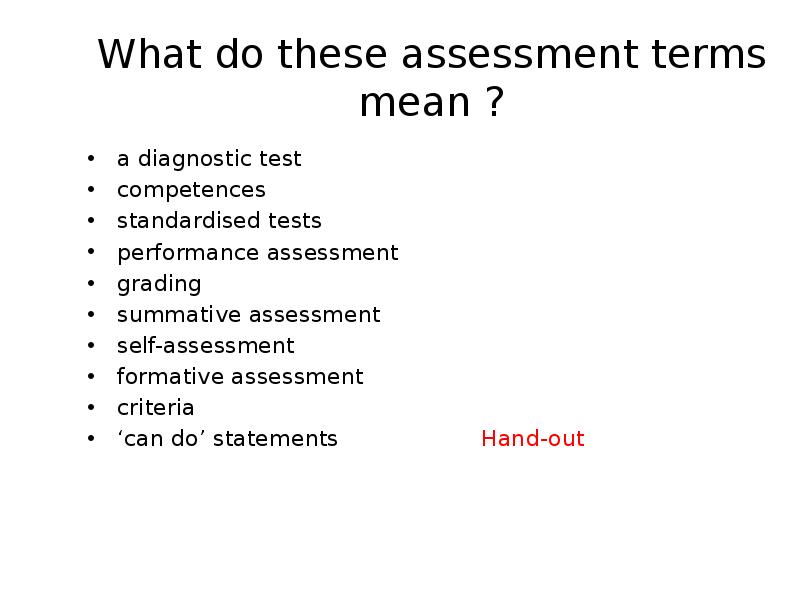
What do these assessment terms mean ? a diagnostic test competences standardised tests performance assessment grading summative assessment...
Описание слайда:
What do these assessment terms mean ? a diagnostic test competences standardised tests performance assessment grading summative assessment self-assessment formative assessment criteria ‘can do’ statements Hand-out

Слайд 104


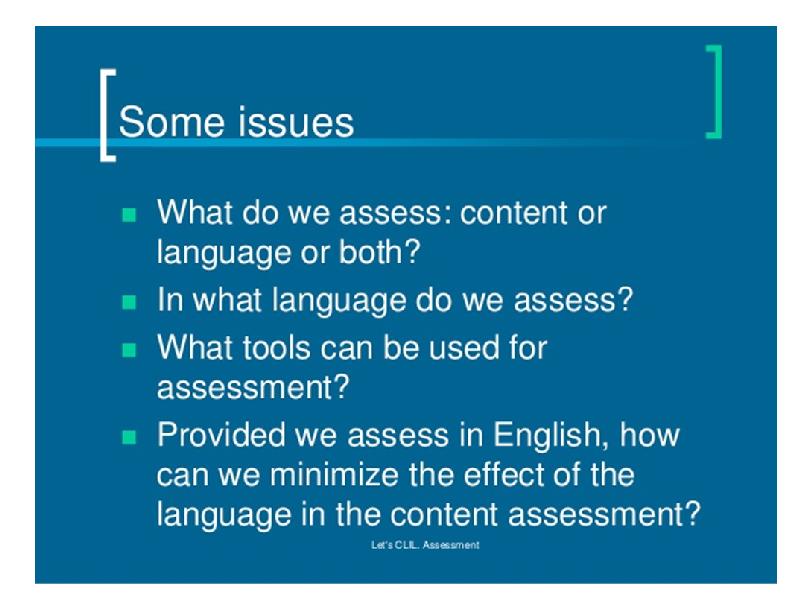
Week 3. Training Subject Teachers in CLIL, слайд №104
Описание слайда:

Слайд 105


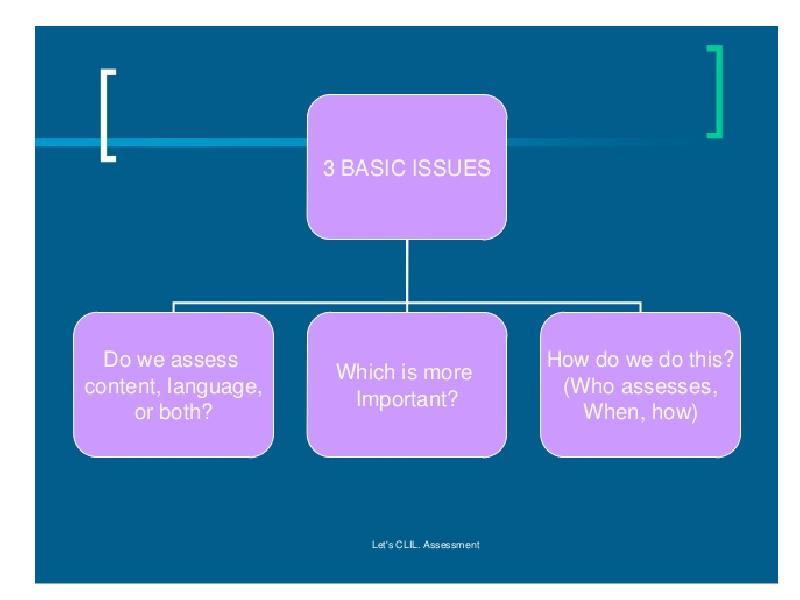
Week 3. Training Subject Teachers in CLIL, слайд №105
Описание слайда:

Слайд 106


Week 3. Training Subject Teachers in CLIL, слайд №106
Описание слайда:

Слайд 107


Week 3. Training Subject Teachers in CLIL, слайд №107
Описание слайда:

Слайд 108


Week 3. Training Subject Teachers in CLIL, слайд №108
Описание слайда:

Слайд 109


Week 3. Training Subject Teachers in CLIL, слайд №109
Описание слайда:

Слайд 110


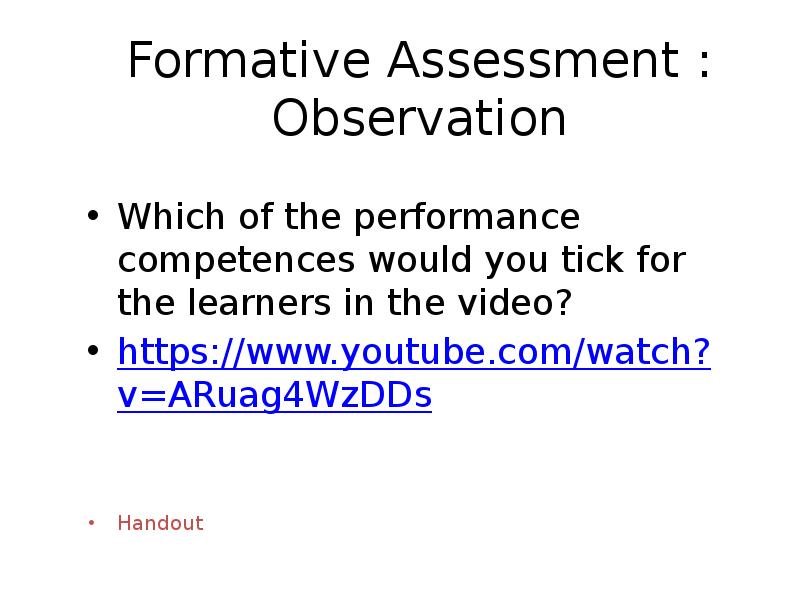
Formative Assessment : Observation Which of the performance competences would you tick for the learners in the video? Handout
Описание слайда:
Formative Assessment : Observation Which of the performance competences would you tick for the learners in the video? Handout

Слайд 111


Look at the handout Identify the main conceptual, procedural and language demand in each one.
Описание слайда:
Look at the handout Identify the main conceptual, procedural and language demand in each one.

Слайд 112


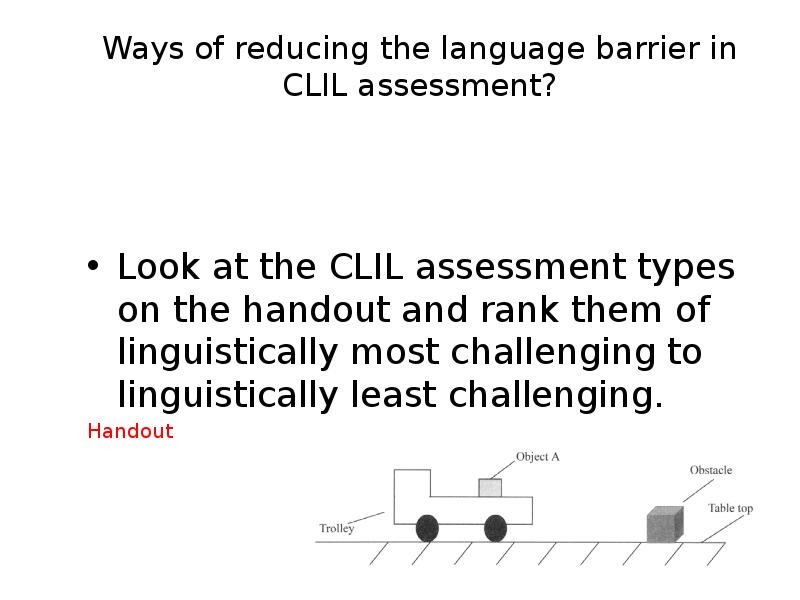
Ways of reducing the language barrier in CLIL assessment? Look at the CLIL assessment types on the handout and rank them of linguistically most...
Описание слайда:
Ways of reducing the language barrier in CLIL assessment? Look at the CLIL assessment types on the handout and rank them of linguistically most challenging to linguistically least challenging. Handout

Слайд 113


Cambridge English Key & preliminary Day 4 Session 3
Описание слайда:
Cambridge English Key & preliminary Day 4 Session 3

Слайд 114


Week 3. Training Subject Teachers in CLIL, слайд №114
Описание слайда:

Слайд 115


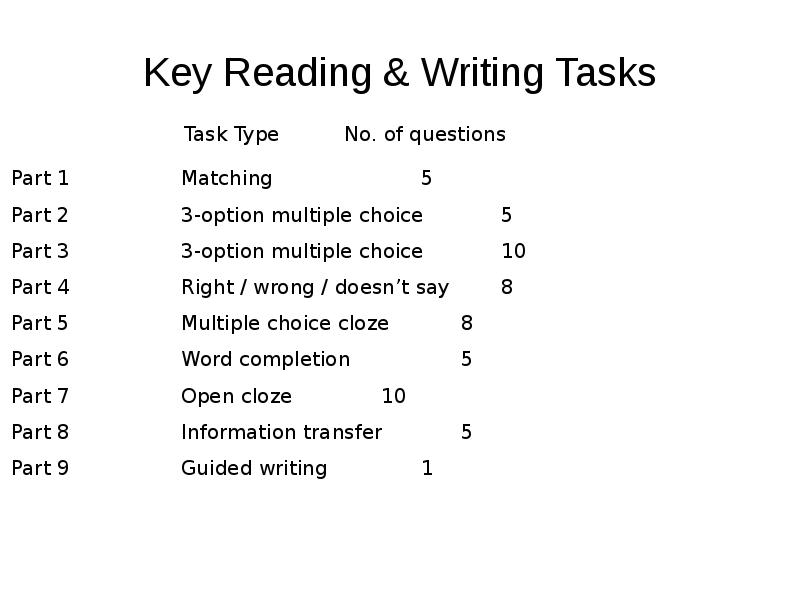
Key Reading & Writing Tasks
Описание слайда:
Key Reading & Writing Tasks

Слайд 116


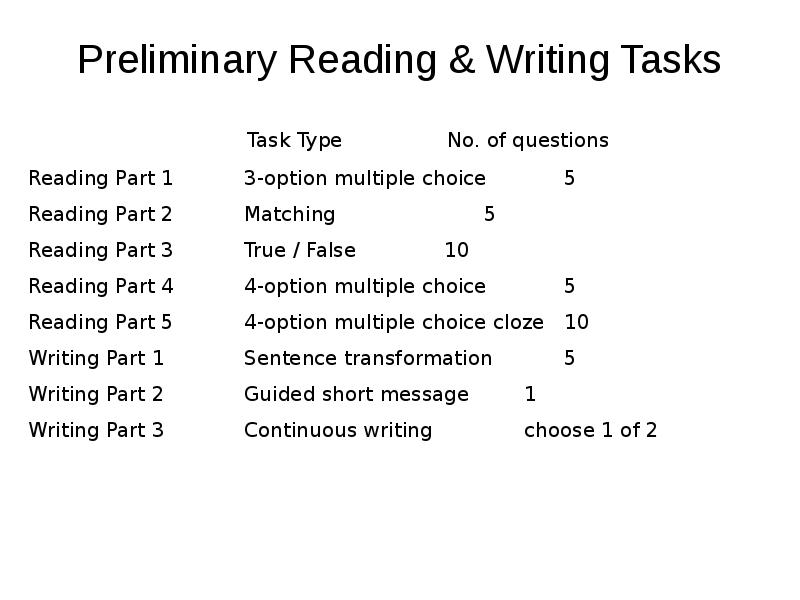
Preliminary Reading & Writing Tasks
Описание слайда:
Preliminary Reading & Writing Tasks

Слайд 117


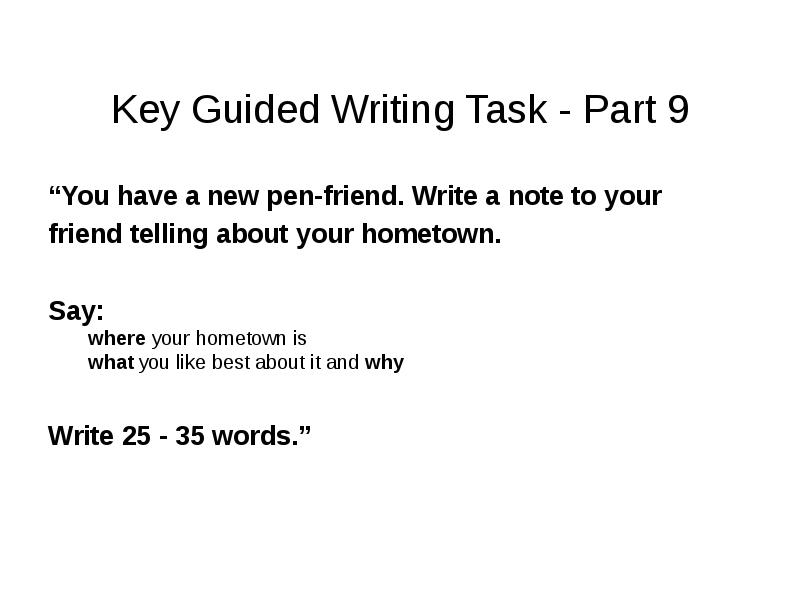
Key Guided Writing Task - Part 9 “You have a new pen-friend. Write a note to your friend telling about your hometown. Say: where your hometown is...
Описание слайда:
Key Guided Writing Task - Part 9 “You have a new pen-friend. Write a note to your friend telling about your hometown. Say: where your hometown is what you like best about it and why Write 25 - 35 words.”

Слайд 118


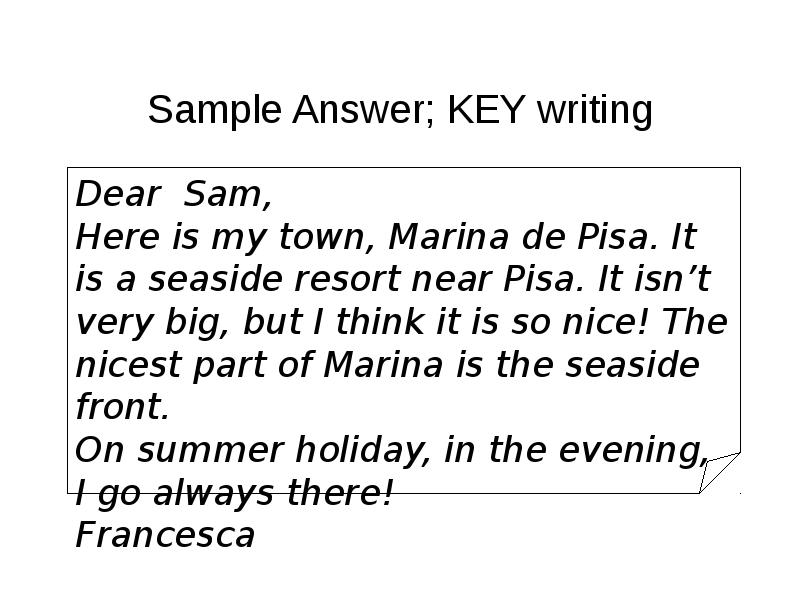
Sample Answer; KEY writing
Описание слайда:
Sample Answer; KEY writing

Слайд 119


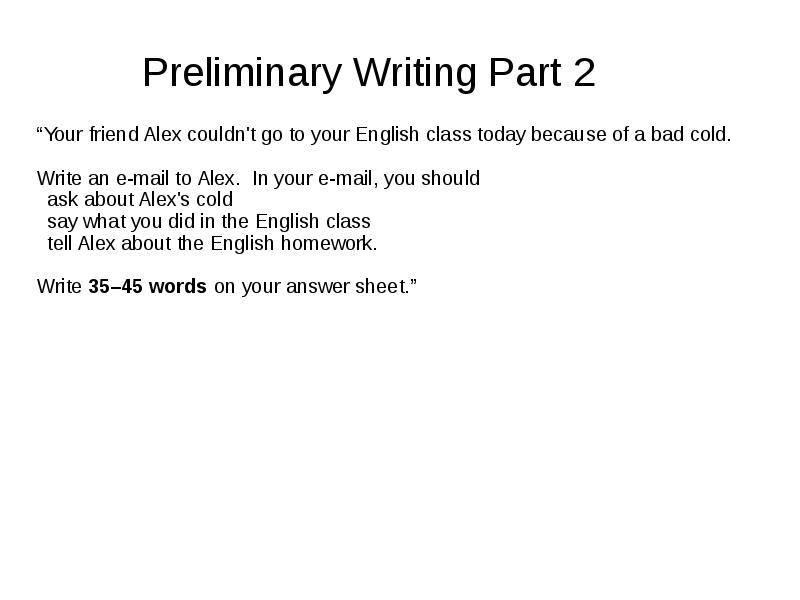
Preliminary Writing Part 2 “Your friend Alex couldn't go to your English class today because of a bad cold. Write an e-mail to Alex. In your e-mail,...
Описание слайда:
Preliminary Writing Part 2 “Your friend Alex couldn't go to your English class today because of a bad cold. Write an e-mail to Alex. In your e-mail, you should ask about Alex's cold say what you did in the English class tell Alex about the English homework. Write 35–45 words on your answer sheet.”

Слайд 120


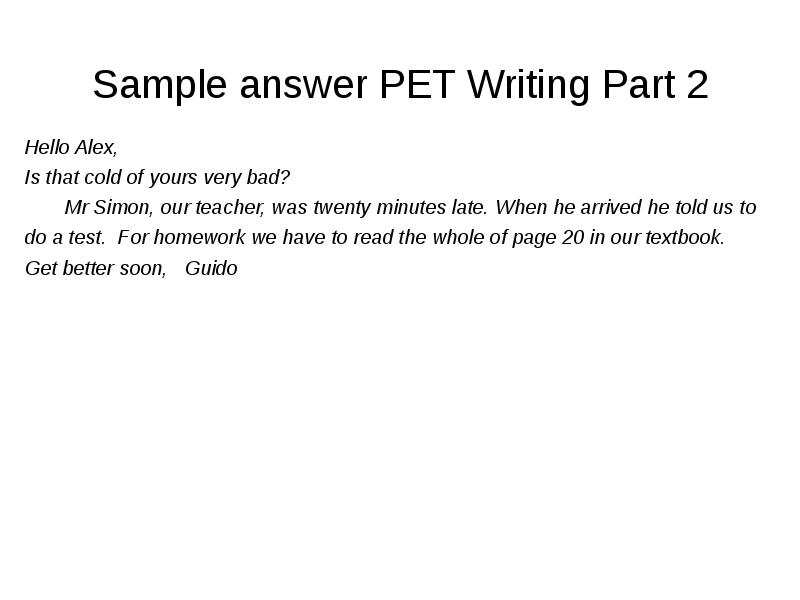
Sample answer PET Writing Part 2 Hello Alex, Is that cold of yours very bad? Mr Simon, our teacher, was twenty minutes late. When he arrived he told...
Описание слайда:
Sample answer PET Writing Part 2 Hello Alex, Is that cold of yours very bad? Mr Simon, our teacher, was twenty minutes late. When he arrived he told us to do a test. For homework we have to read the whole of page 20 in our textbook. Get better soon, Guido

Слайд 121


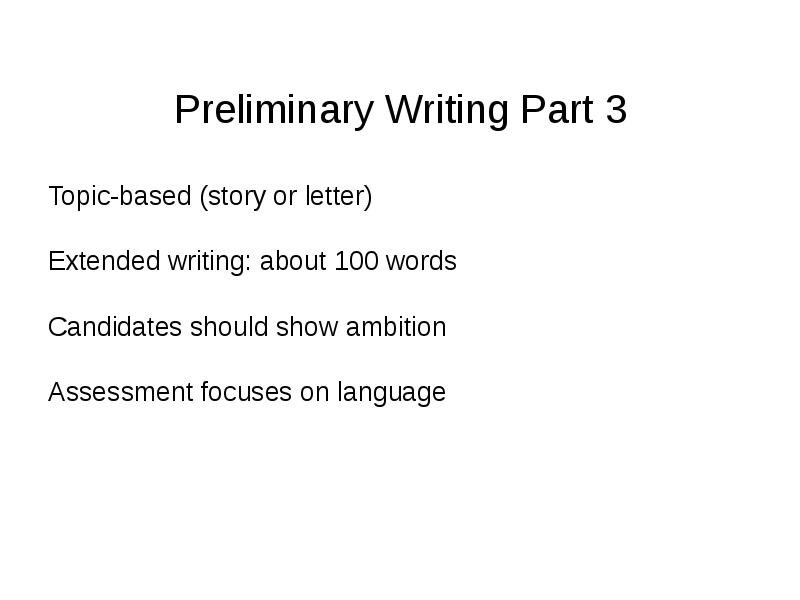
Preliminary Writing Part 3 Topic-based (story or letter) Extended writing: about 100 words Candidates should show ambition Assessment focuses on...
Описание слайда:
Preliminary Writing Part 3 Topic-based (story or letter) Extended writing: about 100 words Candidates should show ambition Assessment focuses on language

Слайд 122


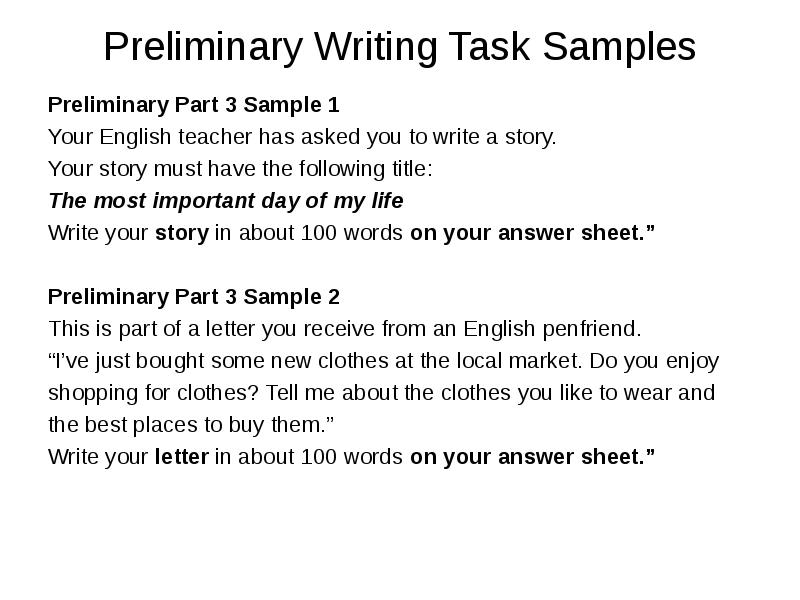
Preliminary Writing Task Samples Preliminary Part 3 Sample 1 Your English teacher has asked you to write a story. Your story must have the following...
Описание слайда:
Preliminary Writing Task Samples Preliminary Part 3 Sample 1 Your English teacher has asked you to write a story. Your story must have the following title: The most important day of my life Write your story in about 100 words on your answer sheet.” Preliminary Part 3 Sample 2 This is part of a letter you receive from an English penfriend. “I’ve just bought some new clothes at the local market. Do you enjoy shopping for clothes? Tell me about the clothes you like to wear and the best places to buy them.” Write your letter in about 100 words on your answer sheet.”

Слайд 123


Reading and Writing Skills
Описание слайда:
Reading and Writing Skills

Слайд 124


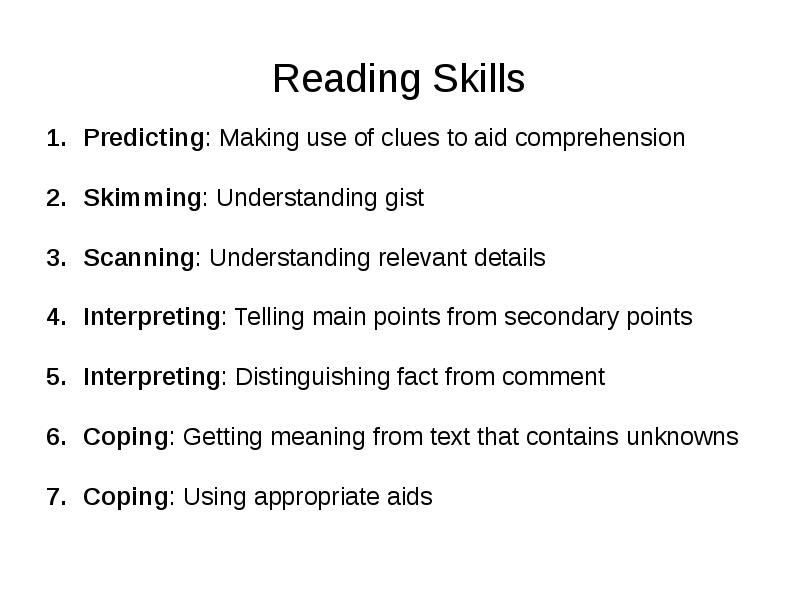
Reading Skills
Описание слайда:
Reading Skills

Слайд 125


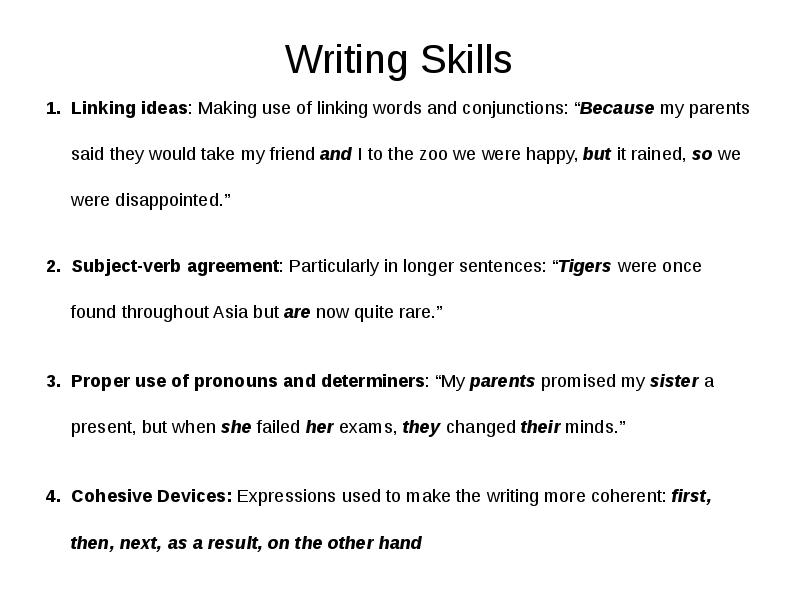
Writing Skills
Описание слайда:
Writing Skills

Слайд 126


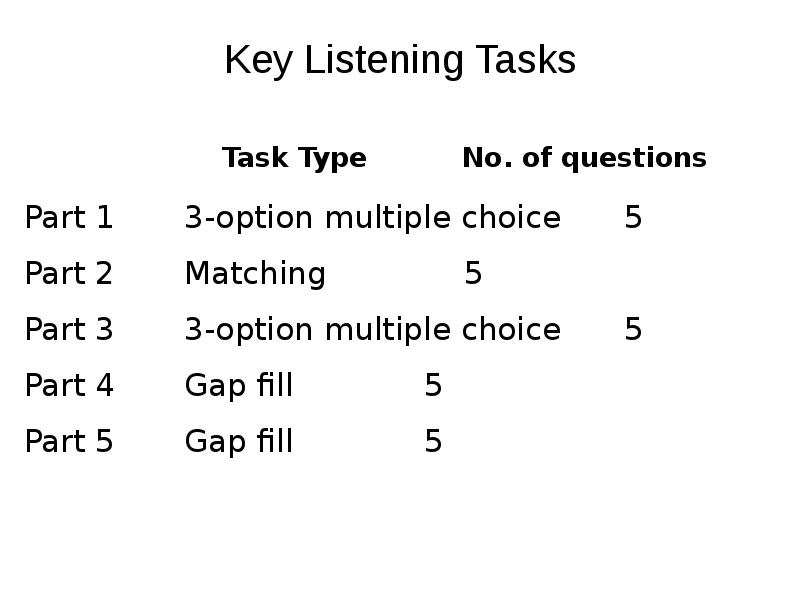
Key Listening Tasks
Описание слайда:
Key Listening Tasks

Слайд 127


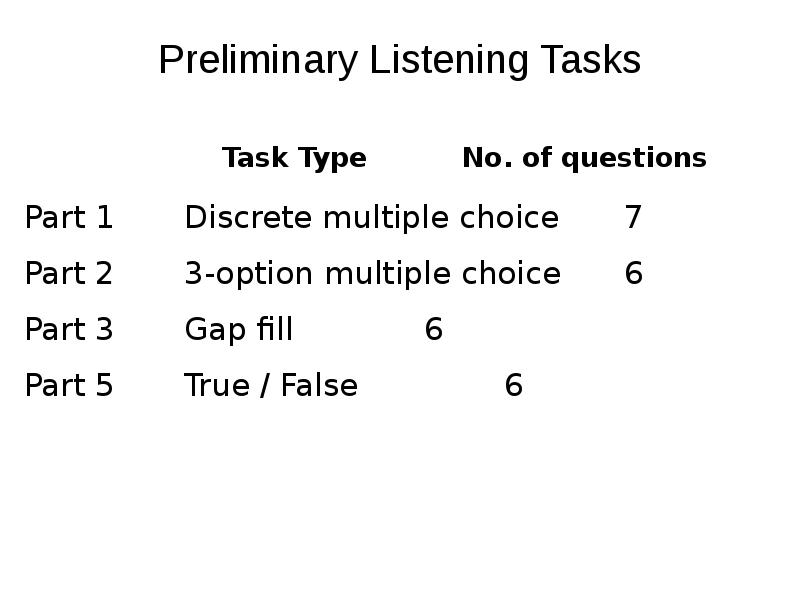
Preliminary Listening Tasks
Описание слайда:
Preliminary Listening Tasks

Слайд 128


Listening Skills
Описание слайда:
Listening Skills

Слайд 129


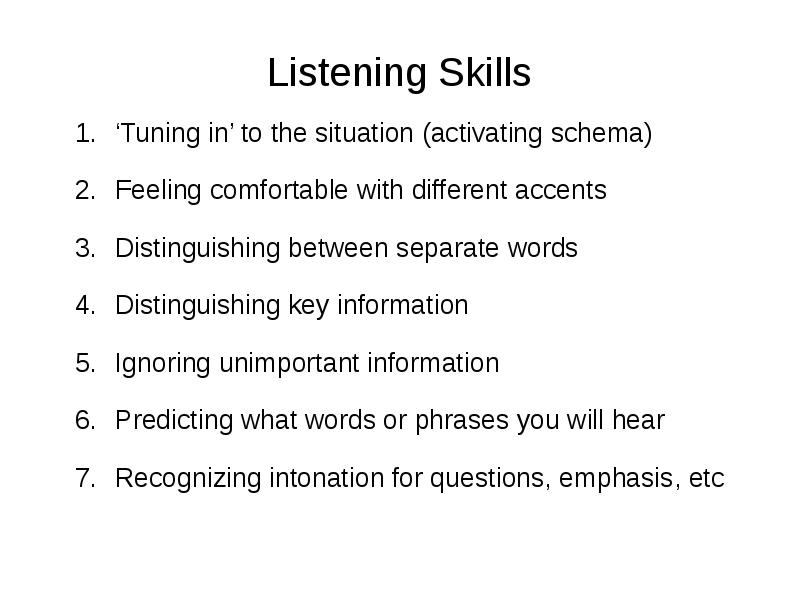
Listening Skills
Описание слайда:
Listening Skills

Слайд 130


Week 3. Training Subject Teachers in CLIL, слайд №130
Описание слайда:

Слайд 131


Week 3. Training Subject Teachers in CLIL, слайд №131
Описание слайда:

Слайд 132


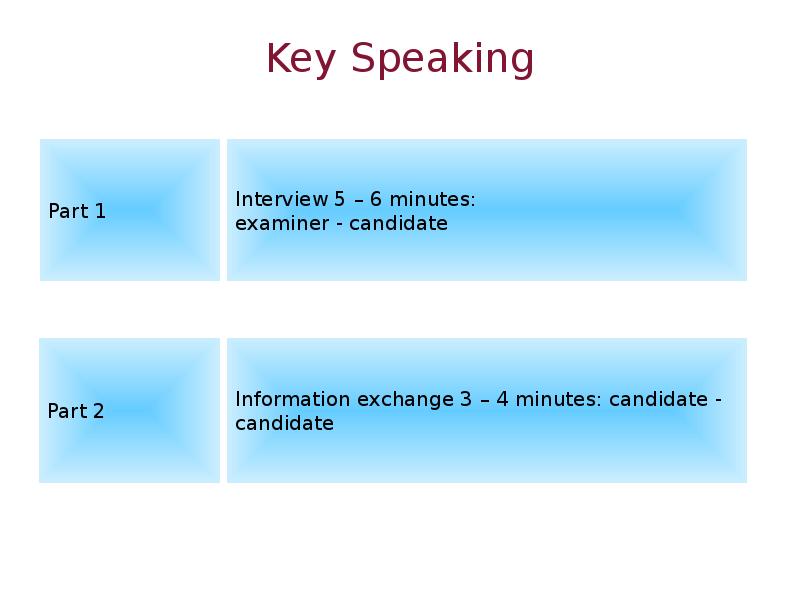
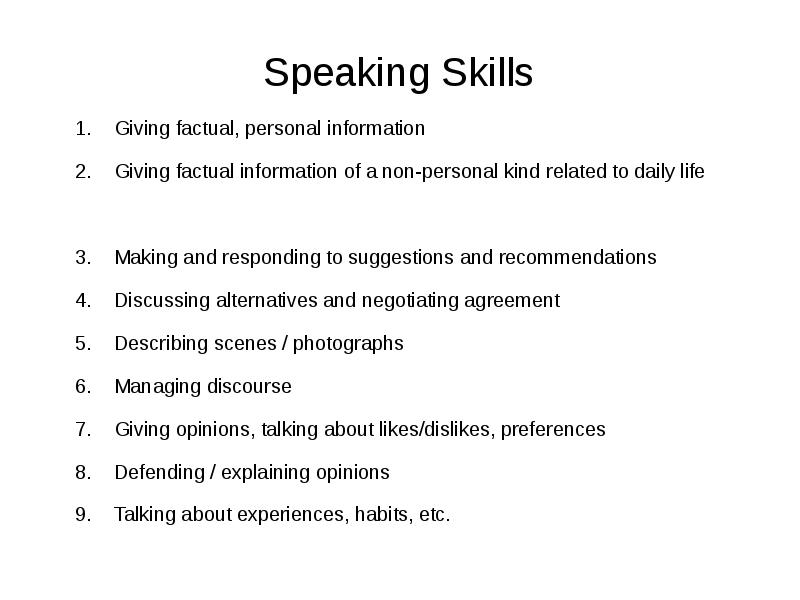
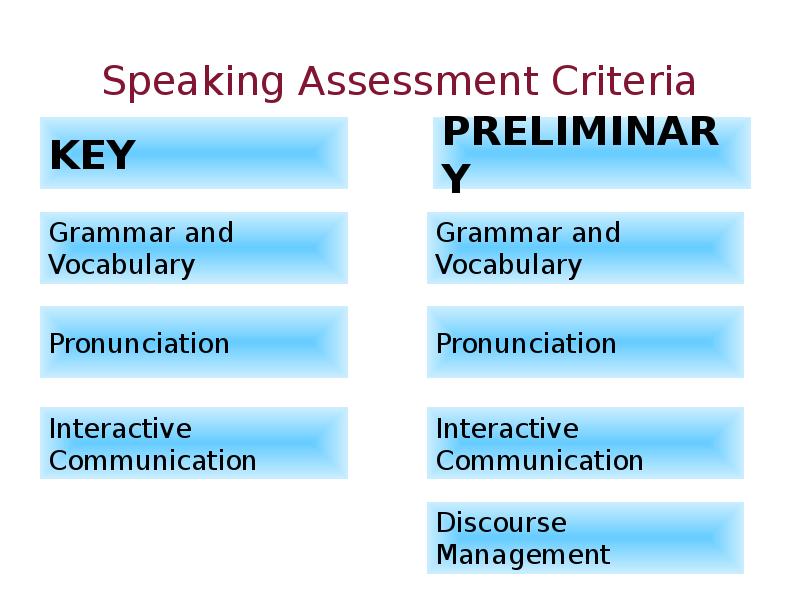
Speaking Skills
Описание слайда:
Speaking Skills

Слайд 133


Speaking Skills
Описание слайда:
Speaking Skills

Слайд 134


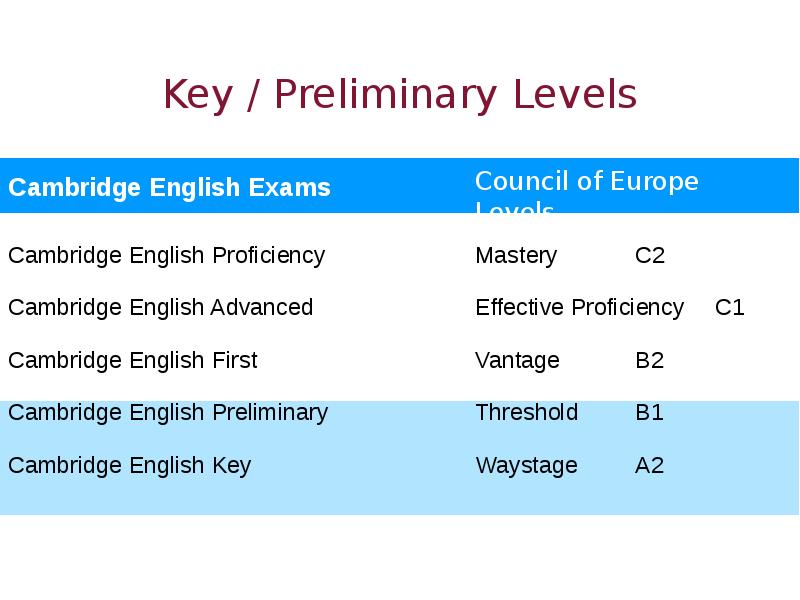
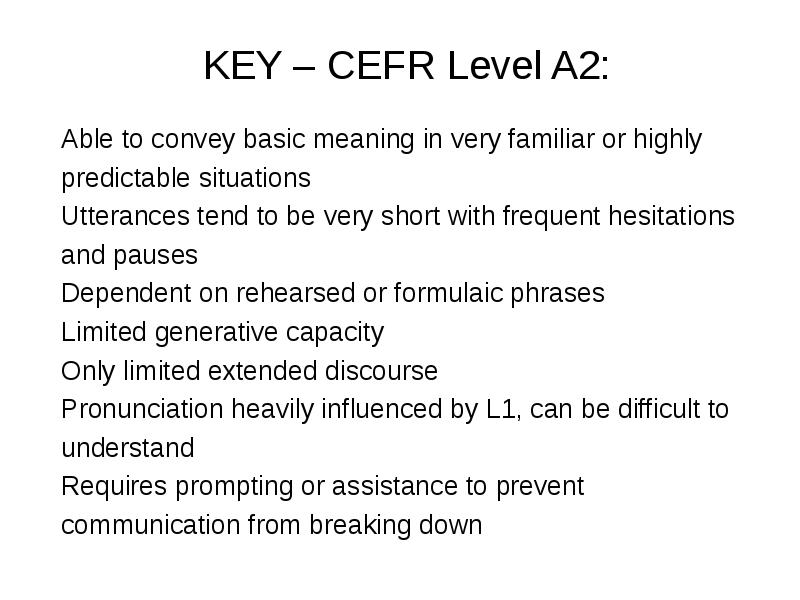
KEY – CEFR Level A2: Able to convey basic meaning in very familiar or highly predictable situations Utterances tend to be very short with frequent...
Описание слайда:
KEY – CEFR Level A2: Able to convey basic meaning in very familiar or highly predictable situations Utterances tend to be very short with frequent hesitations and pauses Dependent on rehearsed or formulaic phrases Limited generative capacity Only limited extended discourse Pronunciation heavily influenced by L1, can be difficult to understand Requires prompting or assistance to prevent communication from breaking down

Слайд 135


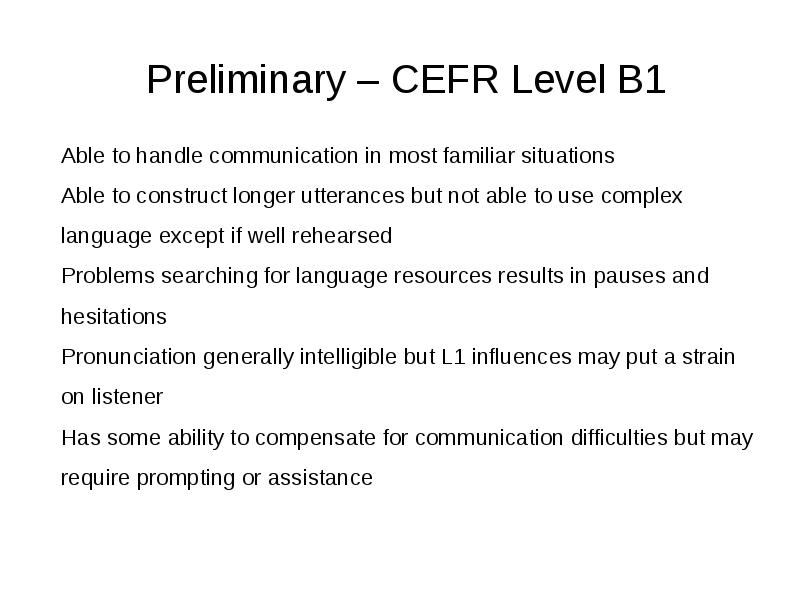
Preliminary – CEFR Level B1 Able to handle communication in most familiar situations Able to construct longer utterances but not able to use complex...
Описание слайда:
Preliminary – CEFR Level B1 Able to handle communication in most familiar situations Able to construct longer utterances but not able to use complex language except if well rehearsed Problems searching for language resources results in pauses and hesitations Pronunciation generally intelligible but L1 influences may put a strain on listener Has some ability to compensate for communication difficulties but may require prompting or assistance

Слайд 136


Week 3. Training Subject Teachers in CLIL, слайд №136
Описание слайда:

Слайд 137


Video Clips
Описание слайда:
Video Clips

Слайд 138


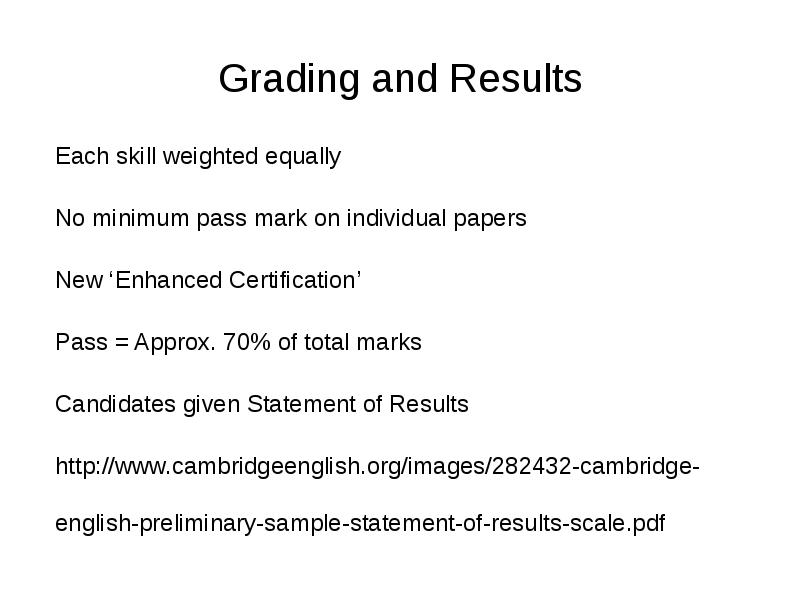
Grading and Results Each skill weighted equally No minimum pass mark on individual papers New ‘Enhanced Certification’ Pass = Approx. 70% of total...
Описание слайда:
Grading and Results Each skill weighted equally No minimum pass mark on individual papers New ‘Enhanced Certification’ Pass = Approx. 70% of total marks Candidates given Statement of Results


Похожие презентации
Mypresentation.ru
Загрузить презентацию